
Vaishnavi V J | Earth Sustainability Solutions | December 2025
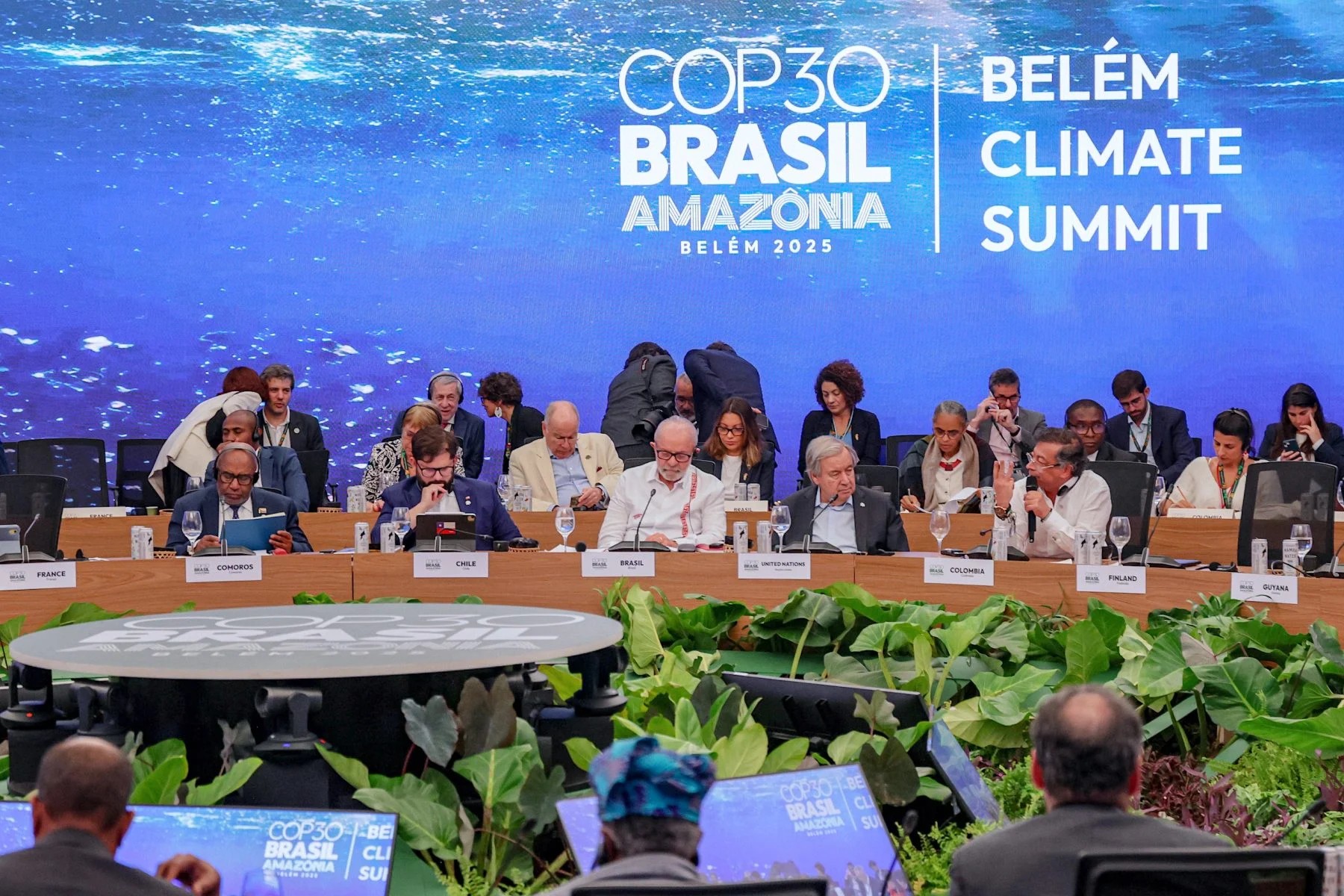
COP30 in Belém, Brazil, unfolded at a defining moment in global climate action. With 2024 confirmed as the warmest year on record and global temperatures edging close to 1.55°C above pre-industrial levels, expectations were high for an ambitious outcome. While negotiations reflected the geopolitical complexities of the moment, COP30 nonetheless delivered clear signals for the private sector. Businesses now have a deeper understanding of where global climate policy is heading and what they must do to stay competitive in a rapidly transitioning economy.
Below are the key takeaways from COP30 and what they mean for businesses preparing for 2026 and beyond.
1. From Ambition to Implementation: The Transition Becomes Real
COP30 marked a decisive shift toward implementation.
- Over 122 countries submitted updated Nationally Determined Contributions (NDCs), offering more sector-specific and costed plans.
- The Global Mutirão decision reaffirmed the 1.5°C limit and called for stronger 2035 targets.
- Although a global fossil fuel phase-out roadmap was not finalised, Brazil committed to lead new roadmaps on fossil fuel transition and deforestation ahead of COP31.
What businesses must prepare for:
- Stronger alignment between corporate transition plans and national climate pathways.
- Demonstrable short-term decarbonisation progress, not just long-term net-zero commitments.
- Integration of climate risk, resilience, and adaptation into core business planning.
2. Clean Energy Momentum Strengthens But System Gaps Are Emerging
Clean energy growth was a bright spot at COP30.
- The Utilities for Net Zero Alliance (UNEZA) pledged USD 148 billion annually for grids, storage, and renewables.
- The Belém 4x Pledge aims to quadruple sustainable fuel deployment by 2035.
- Renewables continue to outcompete fossil fuels on cost, with the IEA projecting USD 2.2 trillion in clean energy investment in 2025.
However, rising electricity demand driven by electrification and AI is outpacing grid capacity.
Business implications:
- Clean electricity sourcing will become a strategic requirement for energy security.
- Companies must proactively adopt energy efficiency, storage, and smart management systems.
- Partnerships with utilities and technology providers will be essential to secure reliable clean energy supply.
3. Climate Finance Expands, Presenting New Opportunities and Responsibilities
COP30 delivered important steps toward mobilising large-scale climate finance:
- The Baku to Belém Roadmap outlines a pathway to mobilise USD 1.3 trillion per year by 2035.
- Thirty-six countries endorsed the Forest Finance Roadmap to address the USD 66.8 billion annual gap in tropical forest protection.
- Guyana's J-REDD+ Initiative aims to mobilise up to USD 6 billion annually by 2030.
- Brazil and the EU launched an Open Coalition on Compliance Carbon Markets to strengthen carbon pricing and integrity.
Despite a commitment to triple adaptation finance, funding gaps remain substantial.
What businesses should expect:
- Growing pressure to invest in adaptation and nature-based solutions.
- Greater scrutiny on carbon credit quality, MRV systems, and disclosure.
- Emerging opportunities to co-invest in clean energy, forest conservation, and industrial decarbonisation projects.
4. The Just Transition and Social Equity Take Centre Stage
COP30 was widely described as the “People’s COP,” highlighting the social dimensions of climate action. Major developments included:
- The Belém Declaration on Hunger, Poverty and People-Centred Climate Action.
- A new Just Transition Mechanism to support workers and communities.
- The Global Initiative on Jobs & Skills for the New Economy, aligning workforce needs with climate targets.
- Strengthened gender-responsive climate action through the Belém Gender Action Plan.
Business takeaways:
- A credible climate strategy must now include people, skills, and social inclusion.
- Companies need to support workforce reskilling, fair transition planning, and community engagement.
- Supply-chain transparency and human rights protections will continue to rise in importance.
5. AI Becomes a Catalyst for Climate Action
Even as AI accelerates electricity demand, COP30 demonstrated its emerging role in climate mitigation and resilience.
Key innovations included:
- The Green Digital Action Hub, promoting global digital climate solutions.
- New AI-driven emissions identification tools from Climate TRACE.
- Launch of the AI Climate Institute (AICI) to support climate innovation in the Global South.
- Private-sector tools for real-time carbon footprint analysis and regenerative agriculture.
Opportunities for businesses:
- Apply AI to optimise energy use, reduce emissions, and enhance climate risk assessment.
- Use digital MRV systems to improve reporting integrity.
- Deploy data-driven sustainability strategies across operations and supply chains.
6. Adaptation and Resilience Gain Priority, Opening New Markets
Adaptation featured heavily at COP30, reflecting the urgency of protecting communities and infrastructure from climate impacts. With adaptation finance set to triple by 2035, new business opportunities are emerging in:
- Climate-resilient infrastructure
- Water management systems
- Early warning and climate analytics
- Nature-based adaptation solutions
- Climate insurance and risk financing
Businesses must:
- Incorporate climate risk assessments into investment and operational decisions.
- Strengthen supply-chain resilience through diversification and local adaptation measures.
- Explore blended finance instruments to build climate-resilient assets.
Conclusion: A Mixed Negotiation, but Clear Direction for Business
COP30 delivered incremental diplomatic progress but sent strong and consistent signals to the private sector. Clean energy is accelerating, climate finance is expanding, digital and AI solutions are transforming sustainability, and social equity is becoming central to climate planning. The global economy is firmly moving toward decarbonisation regardless of political delays.
For businesses, the path forward is clear:
- Act early, with credible and measurable decarbonisation plans.
- Invest in clean technology, resilience, and nature-based solutions.
- Engage meaningfully with people and communities.
- Leverage AI and digital tools to drive efficiency and transparency.
As countries prepare for COP31 in Türkiye, companies that embrace this moment of transition will be best positioned to thrive in a low-carbon, climate-resilient global economy.