
Our completed and ongoing projects span diverse ecosystems across Latin America, Africa, and Asia, focusing on carbon credit potential through sustainable land-use practices and community engagement.
This project focused on empowering smallholder communities engaged in Brazil nut harvesting within the Brazilian Amazon, integrating sustainable livelihood development with biodiversity conservation.


This project focused on the carbon stock assessment in the Peruvian Amazon, aimed at supporting conservation planning, sustainable forest management, and carbon financing opportunities.


This project worked to promote climate-smart agriculture and reduce forest degradation among forest-dwelling communities in Cameroon, Western Africa.


This project undertook a detailed deforestation mapping in Kalimantan, Indonesia, to support forest conservation, land-use planning, and climate mitigation efforts in one of Southeast Asia’s most ecologically significant regions.


Addressing habitat fragmentation in the Western Ghats—one of the world’s most important biodiversity hotspots—this project focused on restoring ecological connectivity and enhancing landscape resilience.


This project focused on empowering marginalized and indigenous communities in the Anamalai region of India by supporting the recognition of their forest rights.


This project involved a comprehensive assessment of carbon stocks within diverse agroforestry systems across the Western Ghats, a region known for its rich biodiversity and complex land-use patterns.


This project examined the diverse livelihood strategies of households living in the Miombo woodlands, one of Africa’s largest and most ecologically important dry forest ecosystems.
.JPG)


This project focused on the quantification and analysis of blue carbon stocks within the unique and ecologically significant coral limestone mangrove forests of Zanzibar, a critical coastal ecosystem in the Eastern Africa.


This project involved the estimation of carbon stocks within a 1.23-hectare rubber plantation in Kallambalam, Kerala. Using standard forest inventory measurements and IPCC-aligned allometric equations, above- and below-ground biomass was quantified to determine the site’s total carbon pool. The assessment establishes a clear baseline of carbon storage and provides essential insights into potential carbon losses associated with land-use change and future mitigation planning.
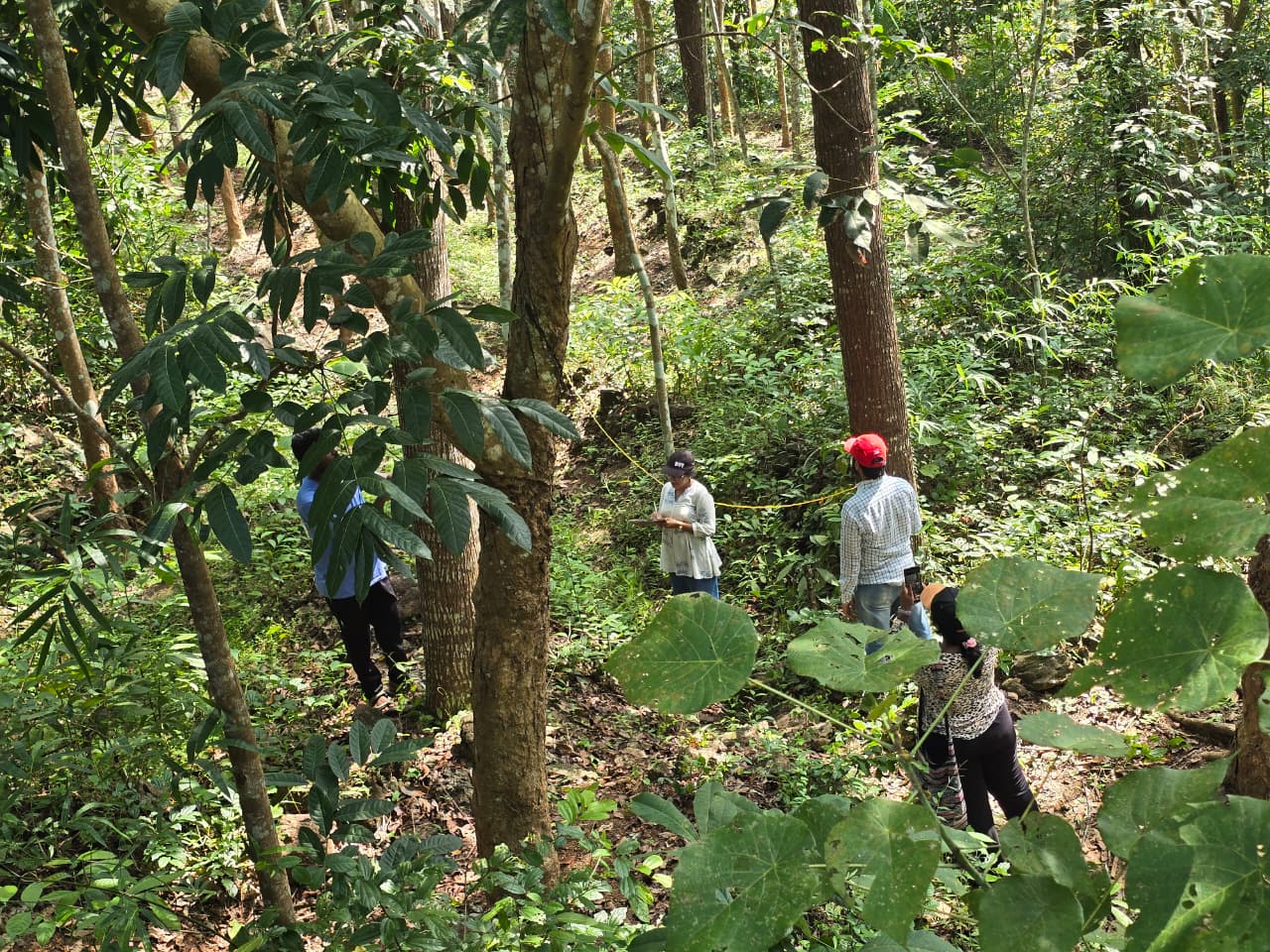
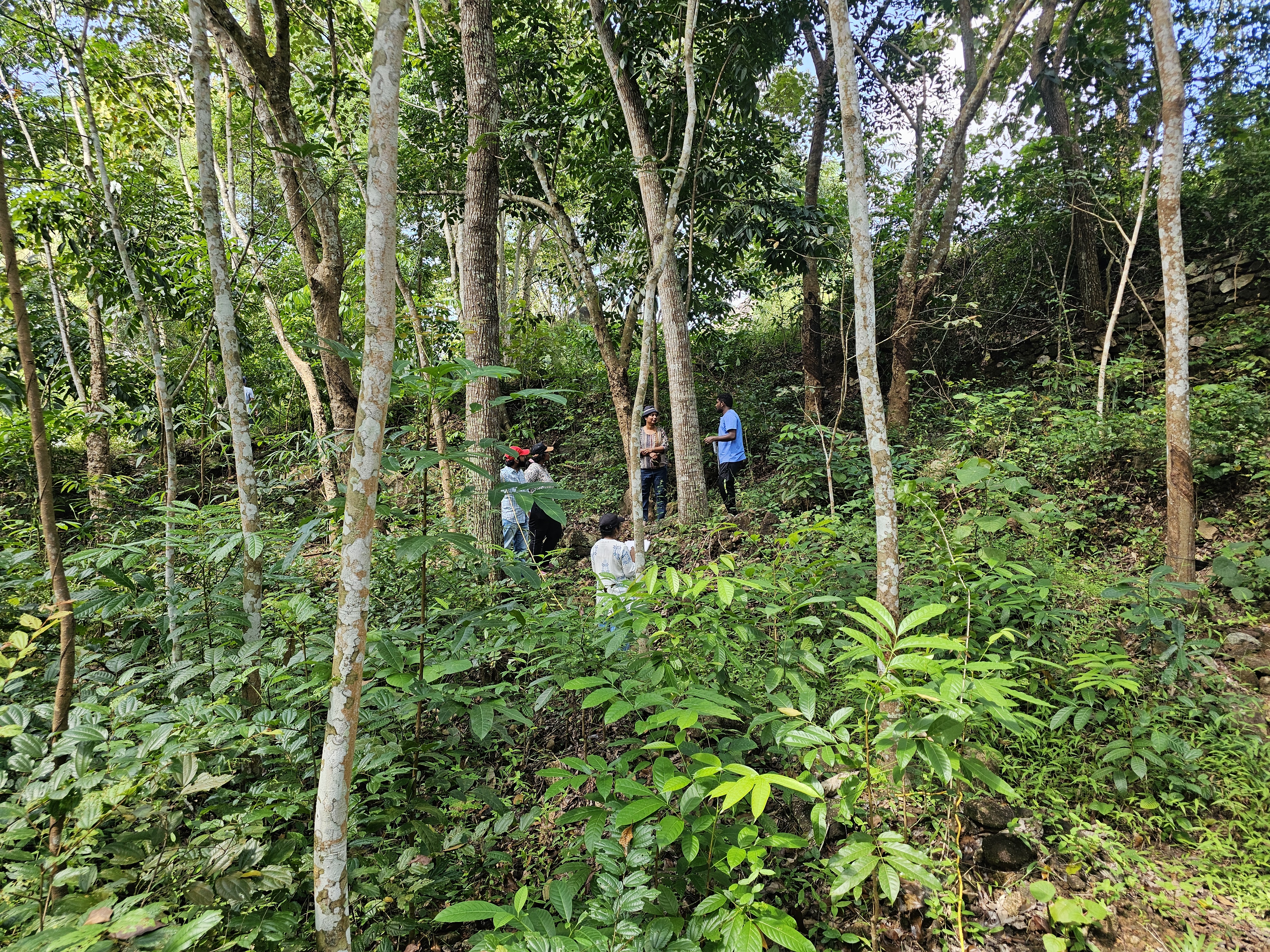
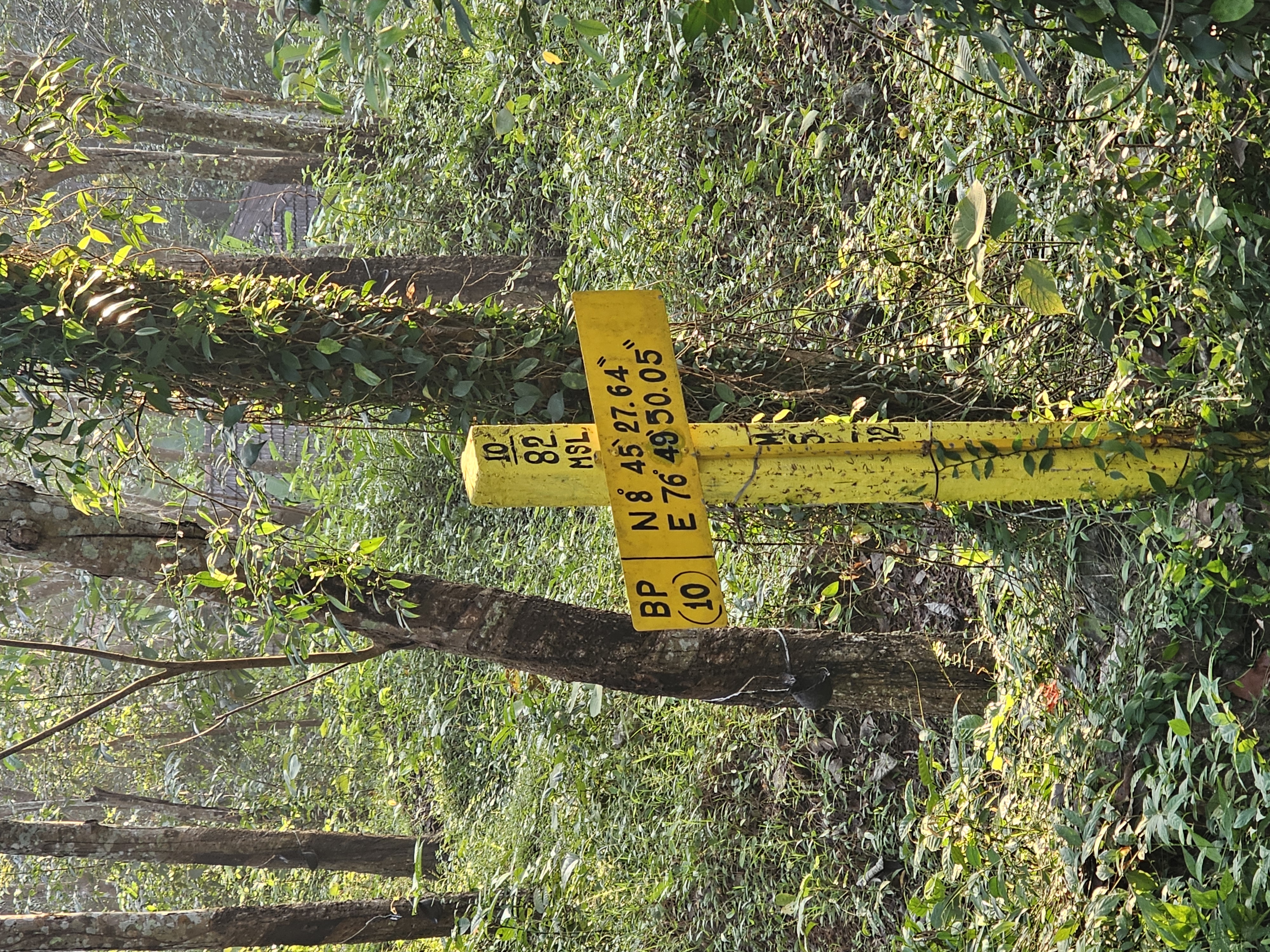
This project focuses on conducting a Rapid Biodiversity Assessment in Karikkode Village, Thodupuzha Taluk, Idukki District, Kerala prior to the initiation of a granite quarry. The study documents the flora and fauna of the mining site, identify species of conservation concern, and recommend mitigation strategies to minimize ecological impacts of mining operations.
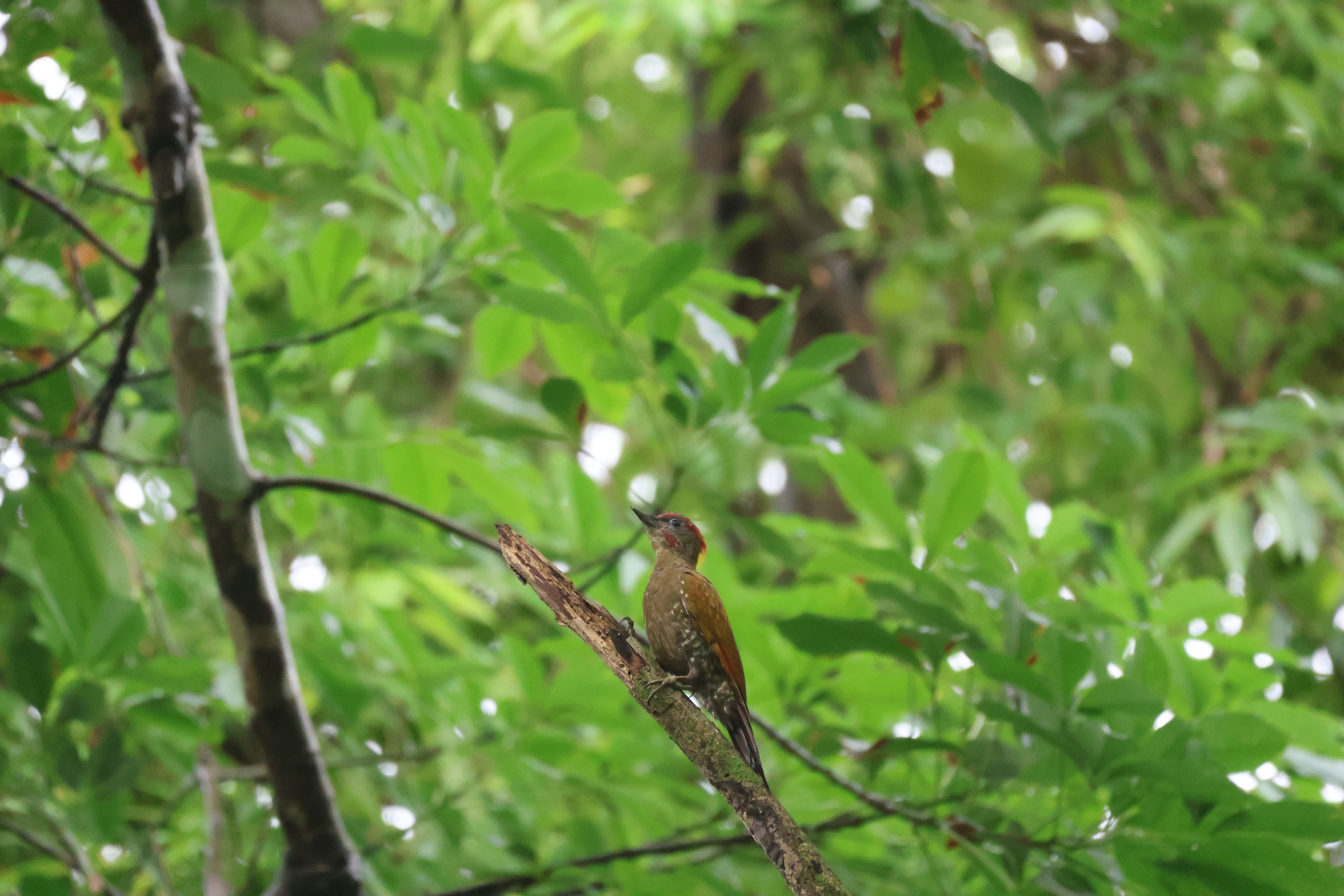

This project assesses Scope 1, Scope 2, and relevant Scope 3 GHG emissions using standardized methodologies such as the Hotel Carbon Measurement Initiative and ISO – 14064. The project also develops a structured Net Zero pathway and robust Monitoring, Reporting, and Verification (MRV) framework to track, verify, and report GHG emission reductions transparently.

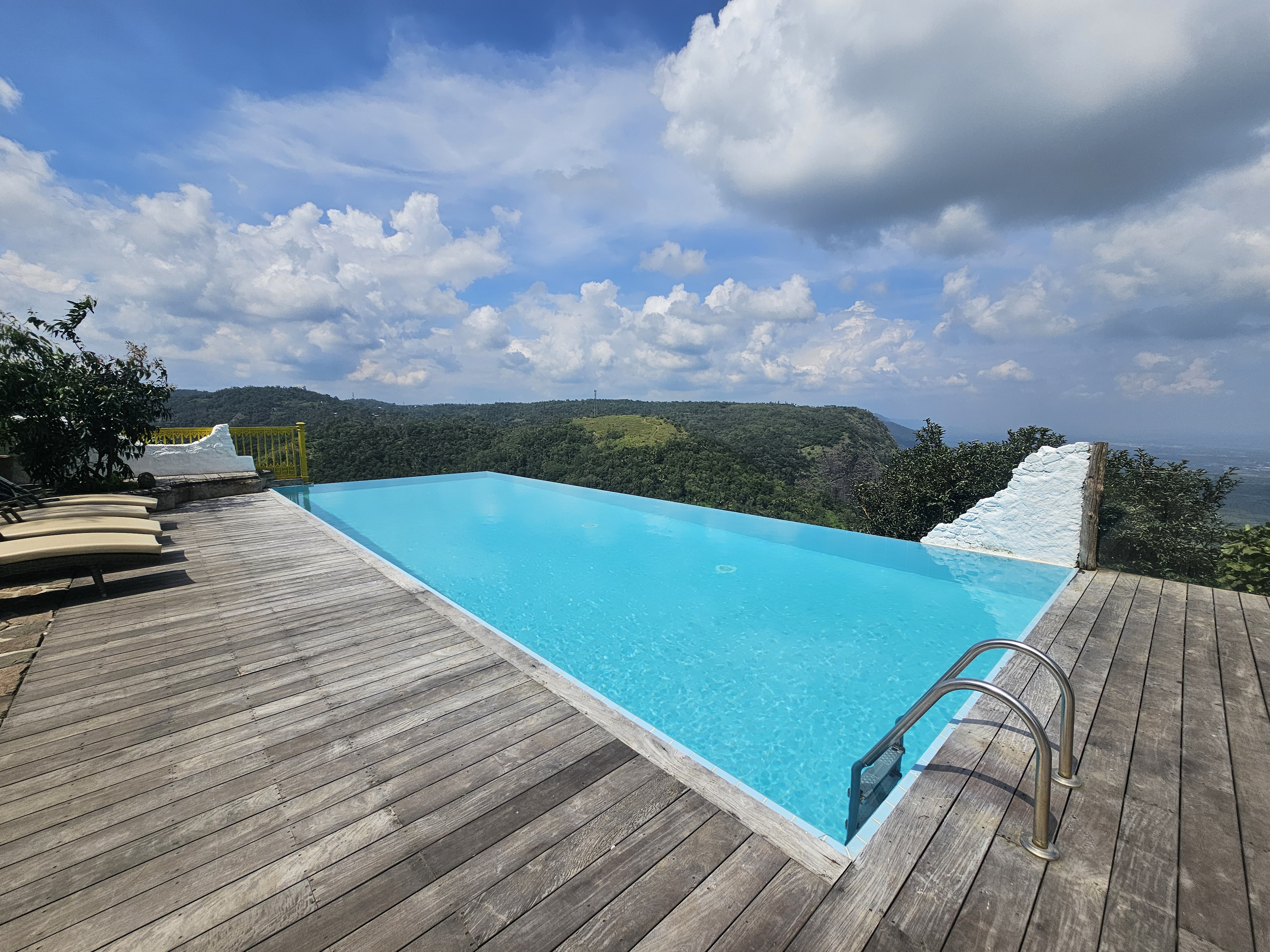
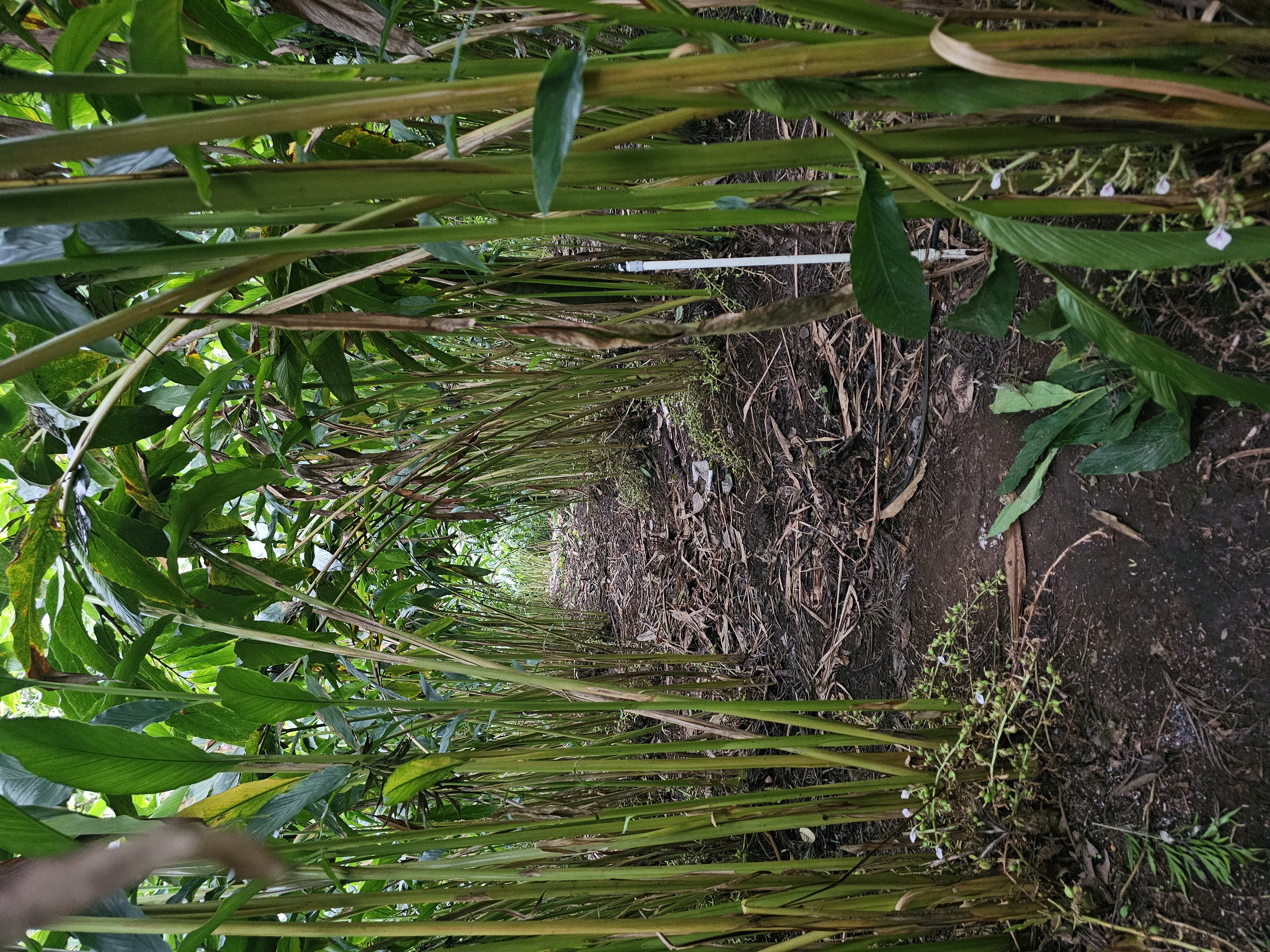
This project establishes a scientifically robust and operationally feasible pathway for the hospitality sector to transition to Net Zero greenhouse gas emissions, in accordance with the Net Zero Methodology for Hotels (2023) and consistent with leading frameworks such as the Science Based Targets initiative (SBTi), GHG Protocol, and ISO 14064 standards.
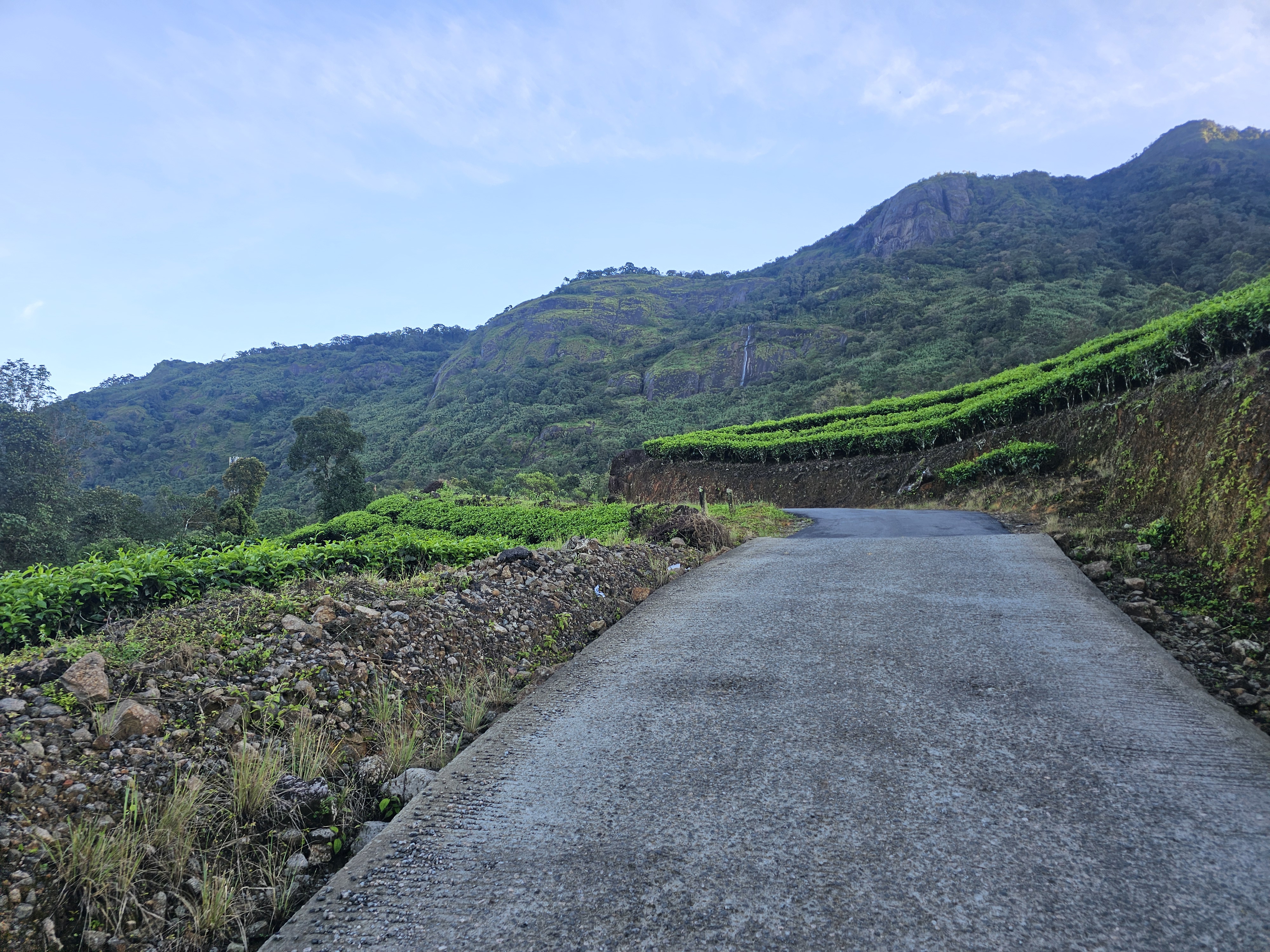
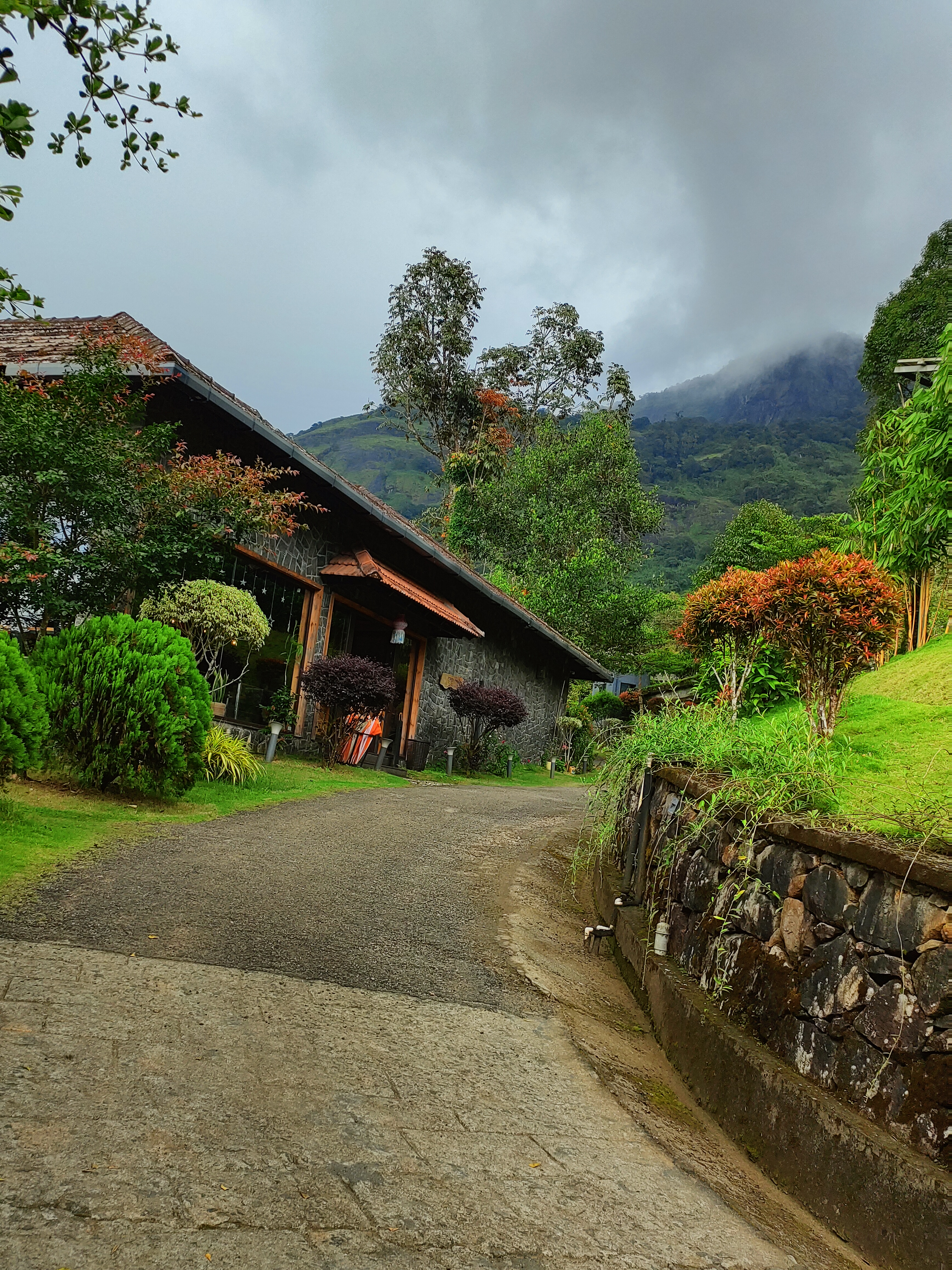
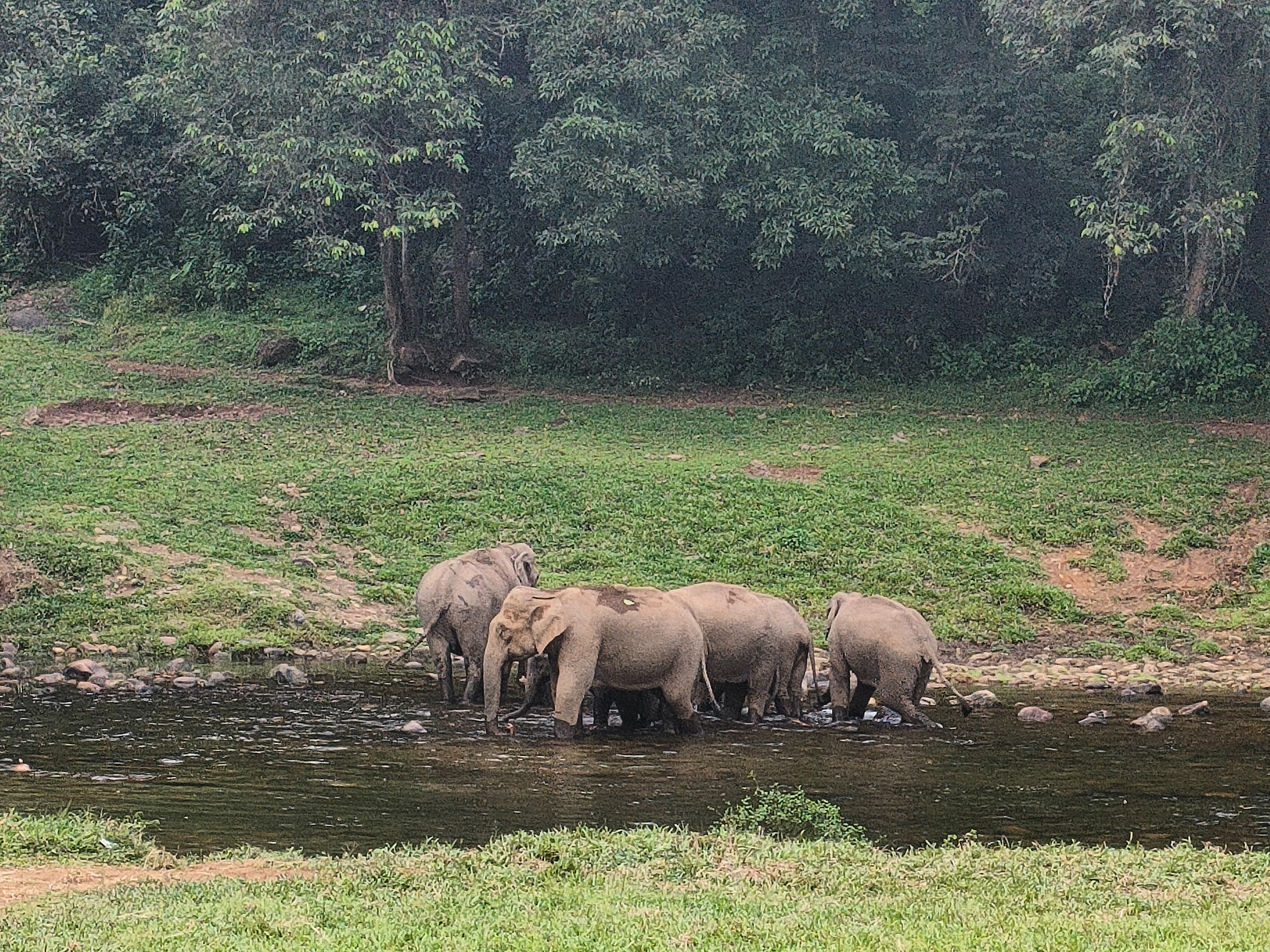
This project undertook a Rapid Biodiversity Assessment for a proposed quarry site in the Kottayam District, Kerala, covering an area of 4.9751 ha. The study documented baseline floral and faunal diversity and identified species of conservation importance. Based on the findings, site-specific mitigation, conservation, and monitoring measures were recommended to reduce the impact of mining on environment.
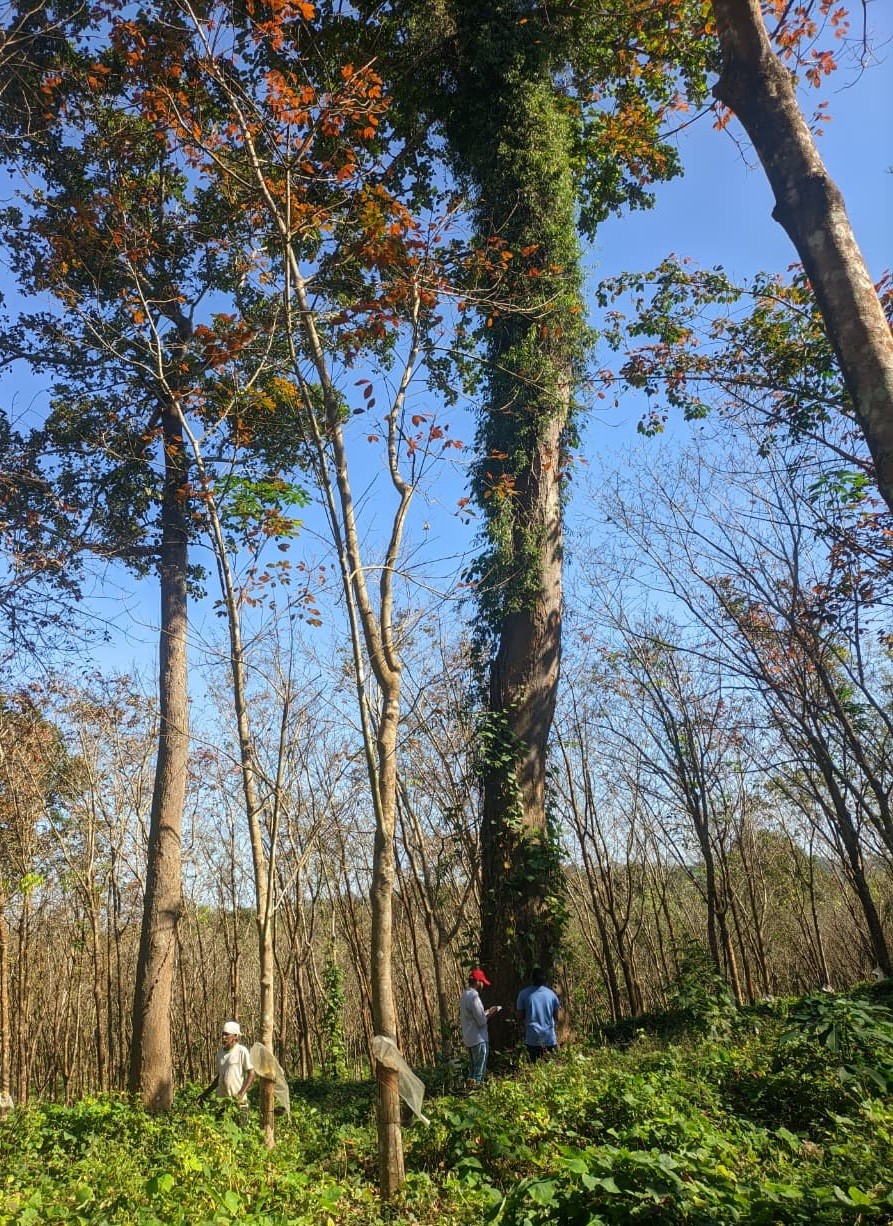
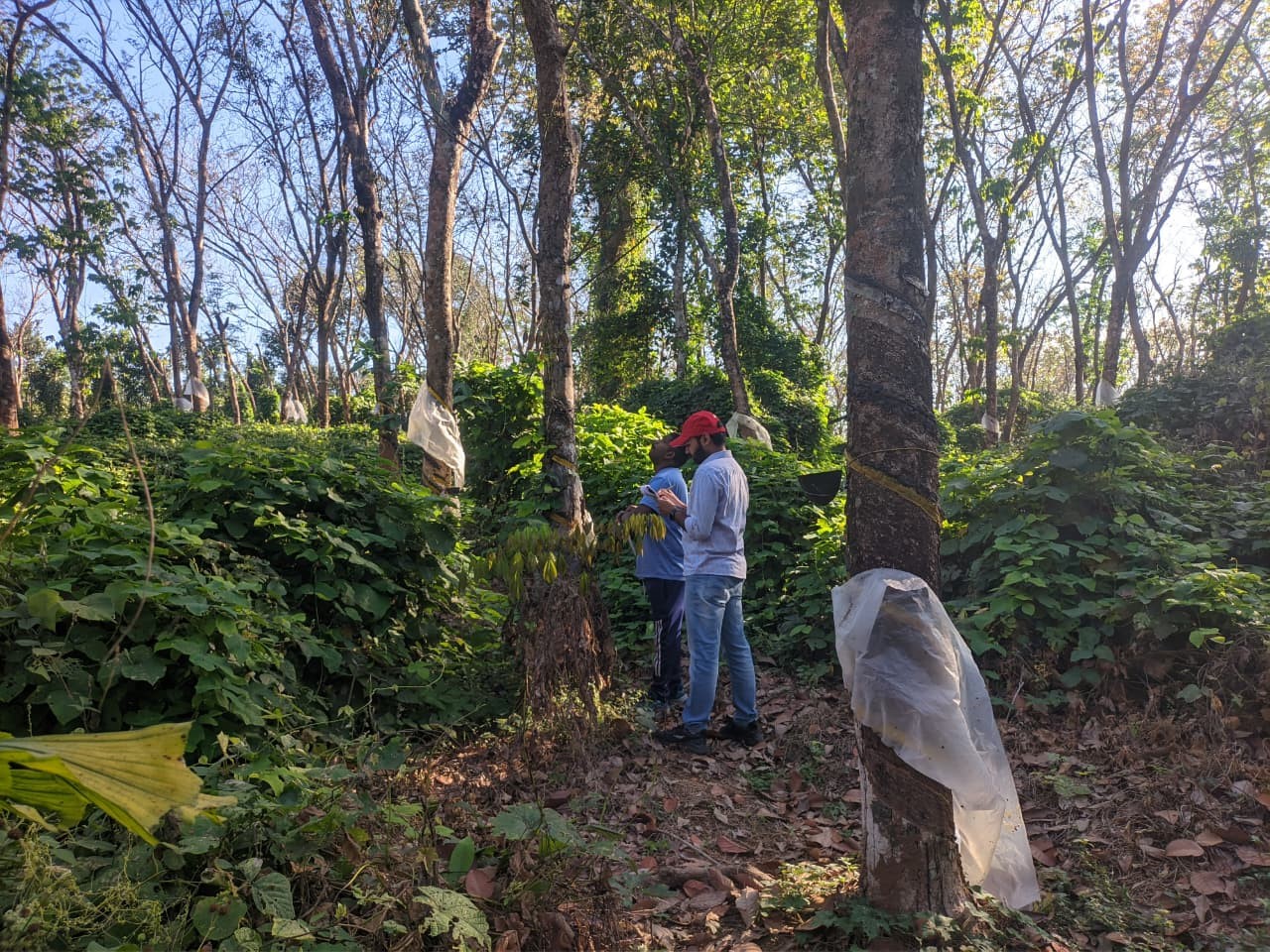
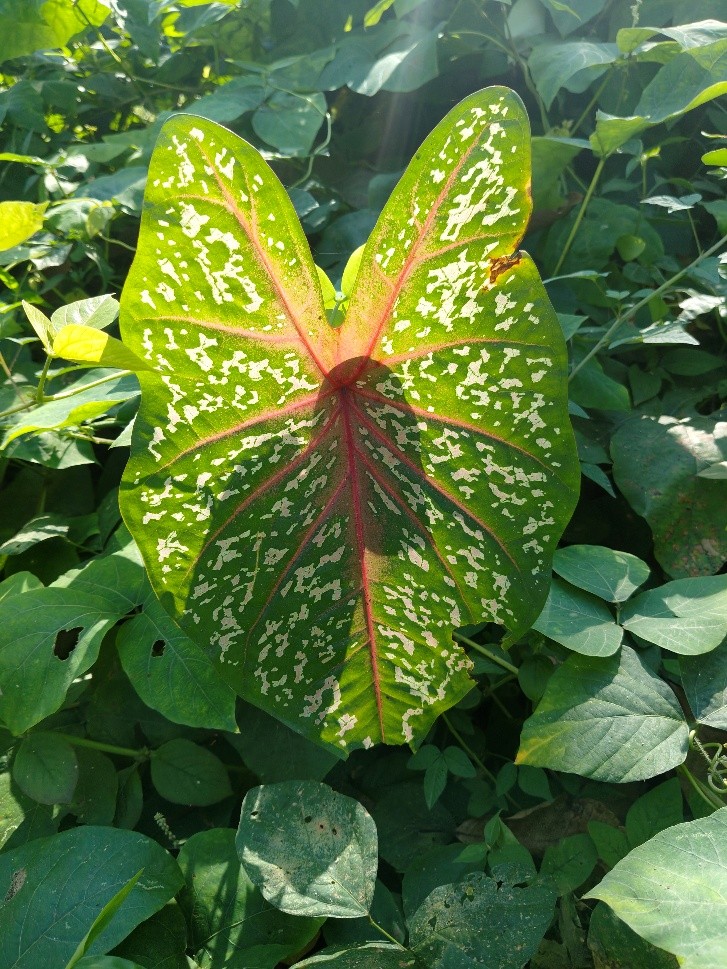
This project involved a Rapid Biodiversity Assessment for the proposed Granite Building Stone Quarry at Vellarikkundu Taluk, Kasaragod District, Kerala. The assessment established a baseline inventory of flora and fauna within the project area, identified species of conservation concern, and recommended site-specific mitigation, conservation, and monitoring measures to minimise ecological impacts and support long-term environmental sustainability.
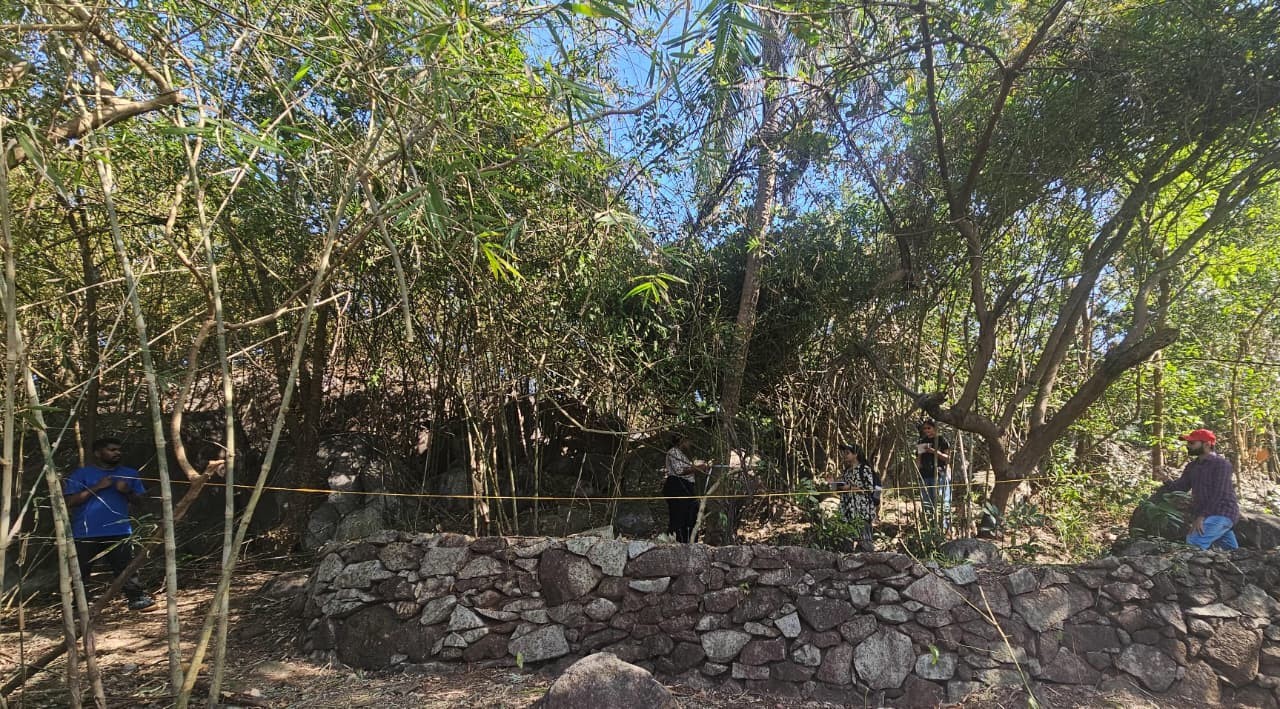
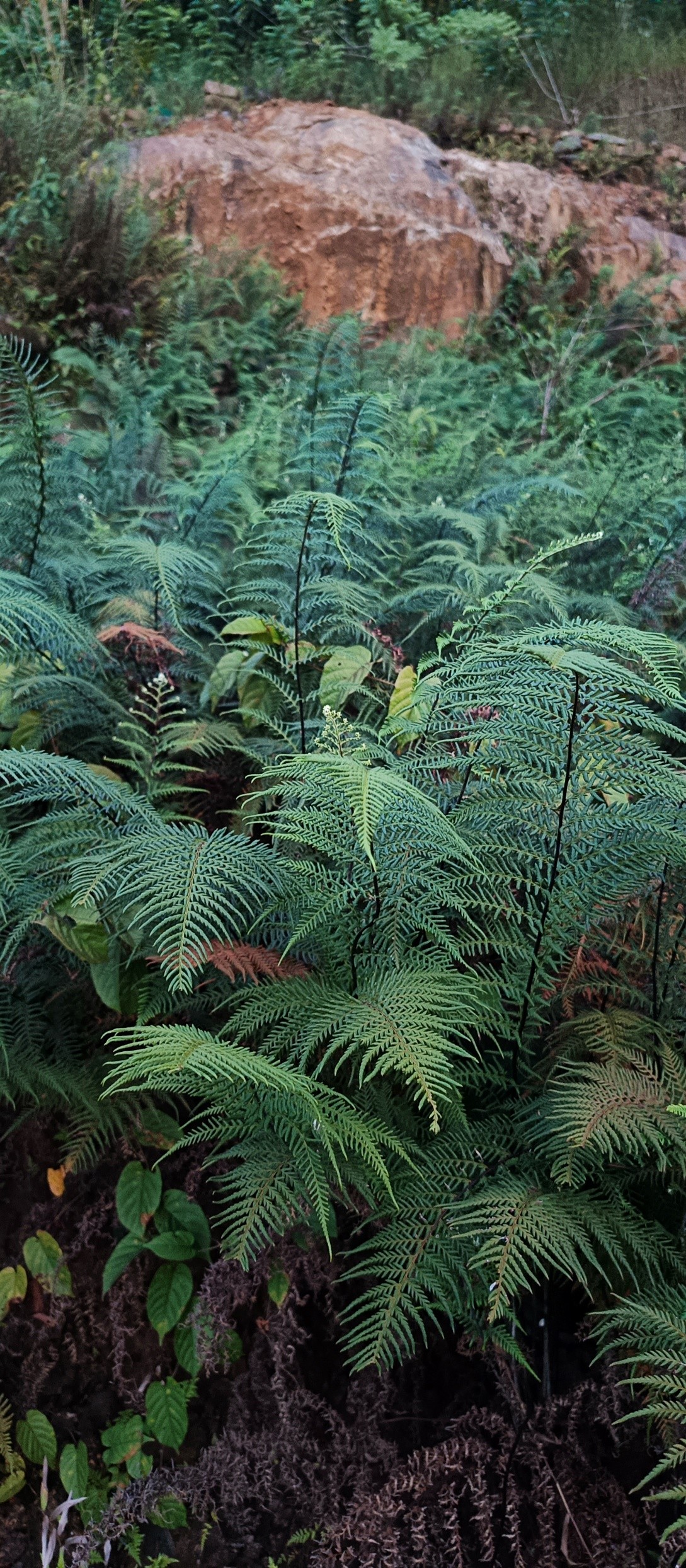
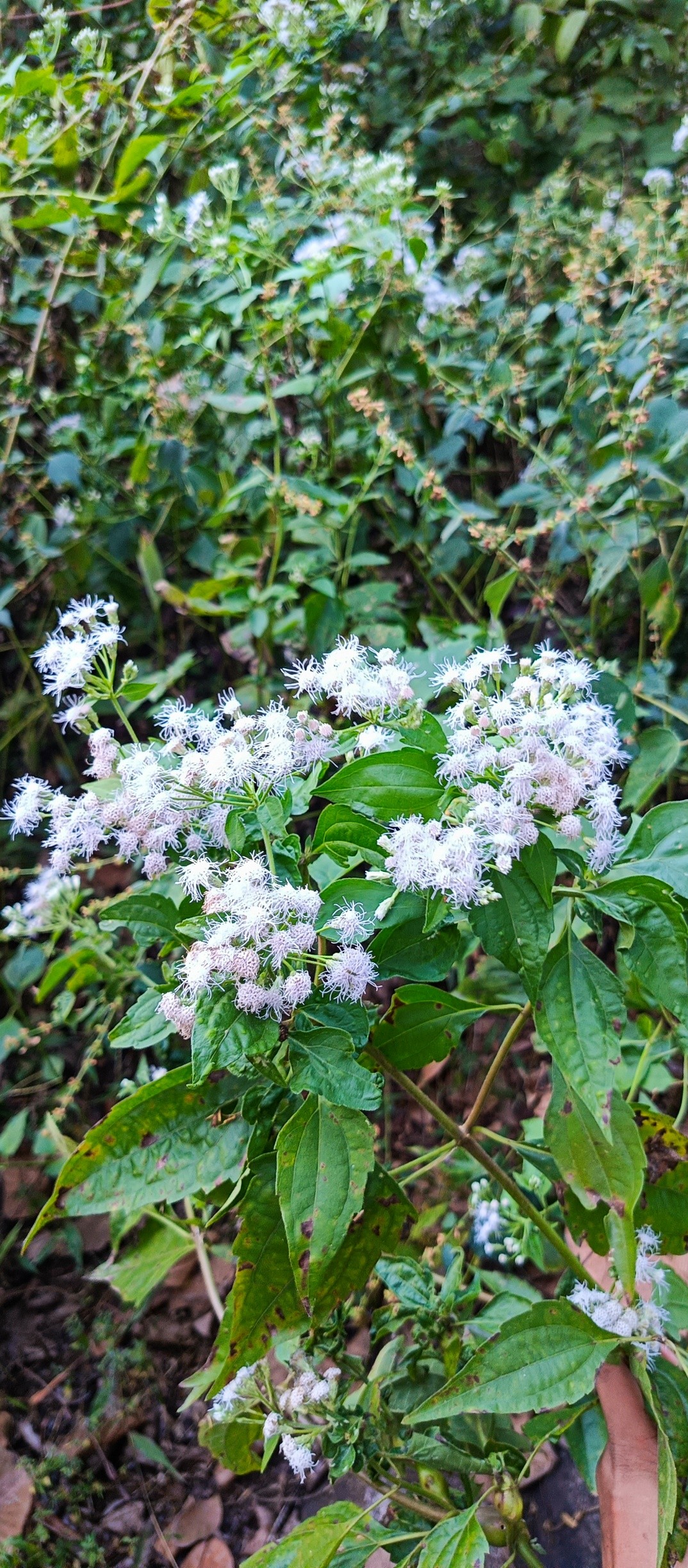
The proposed Granite Building Stone Quarry Project at Vythiri Taluk, Wayanad District is being appraised to assess baseline environmental conditions. The study covers land use and land cover mapping, rapid biodiversity assessment, geomorphological characterisation, and climatological and other environmental parameters, and develops suitable Environmental Management Plan for regulatory-compliant project implementation.
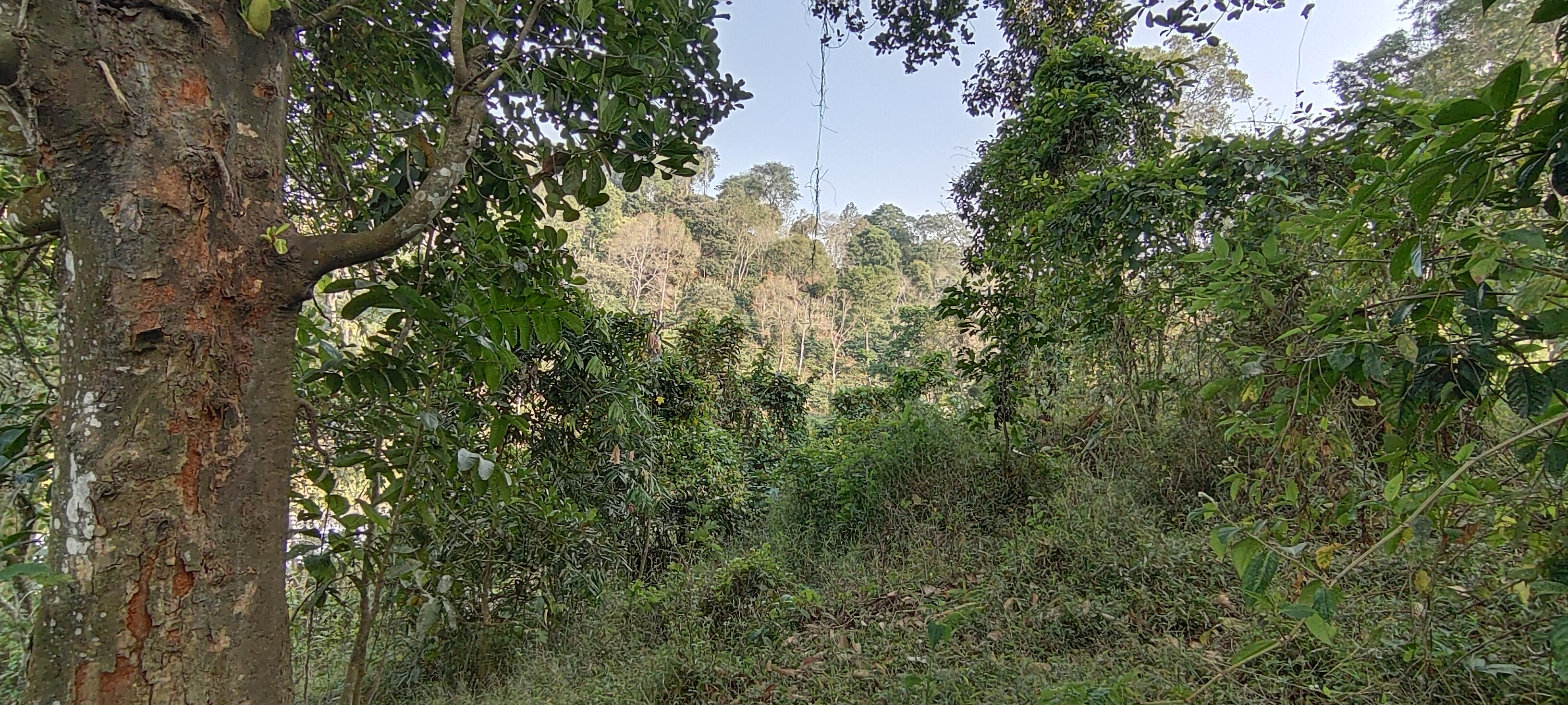
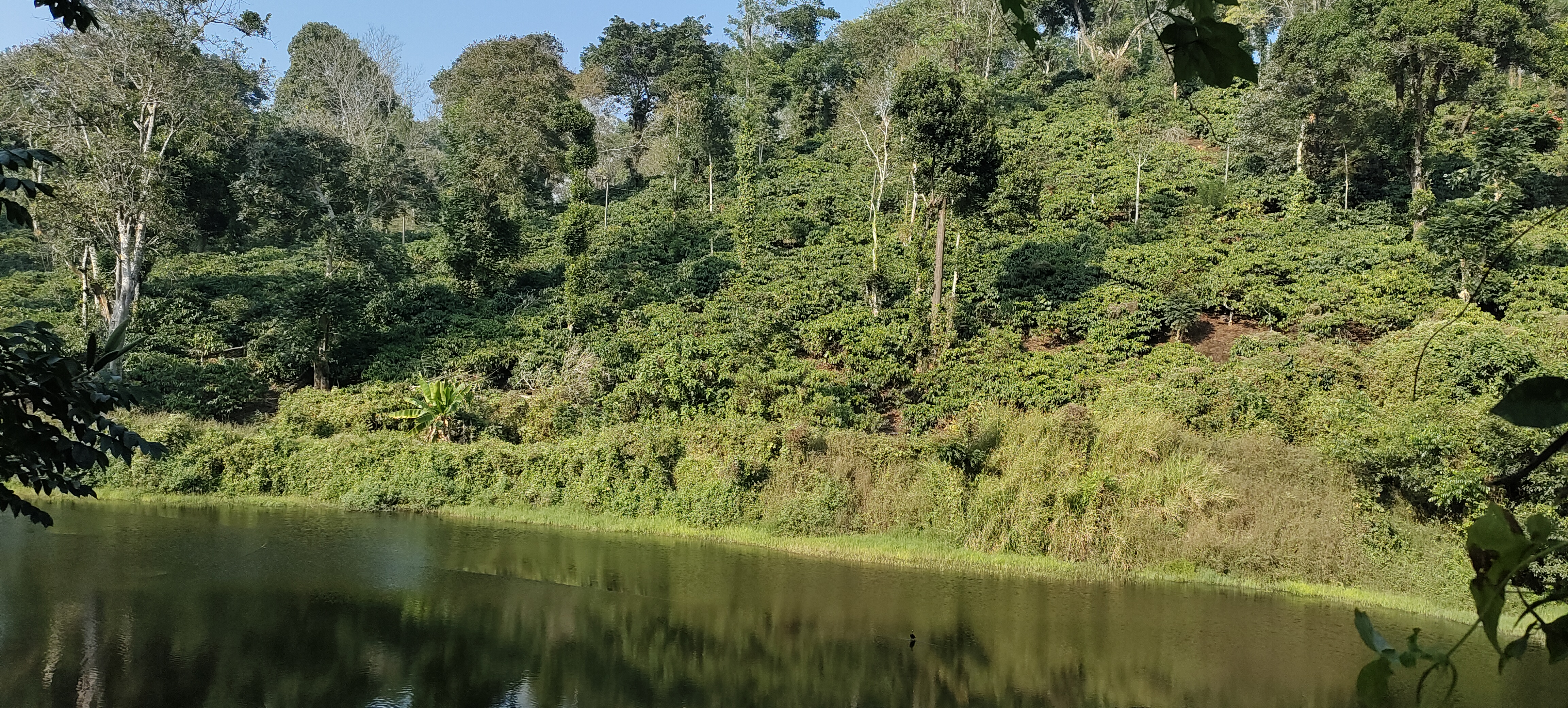
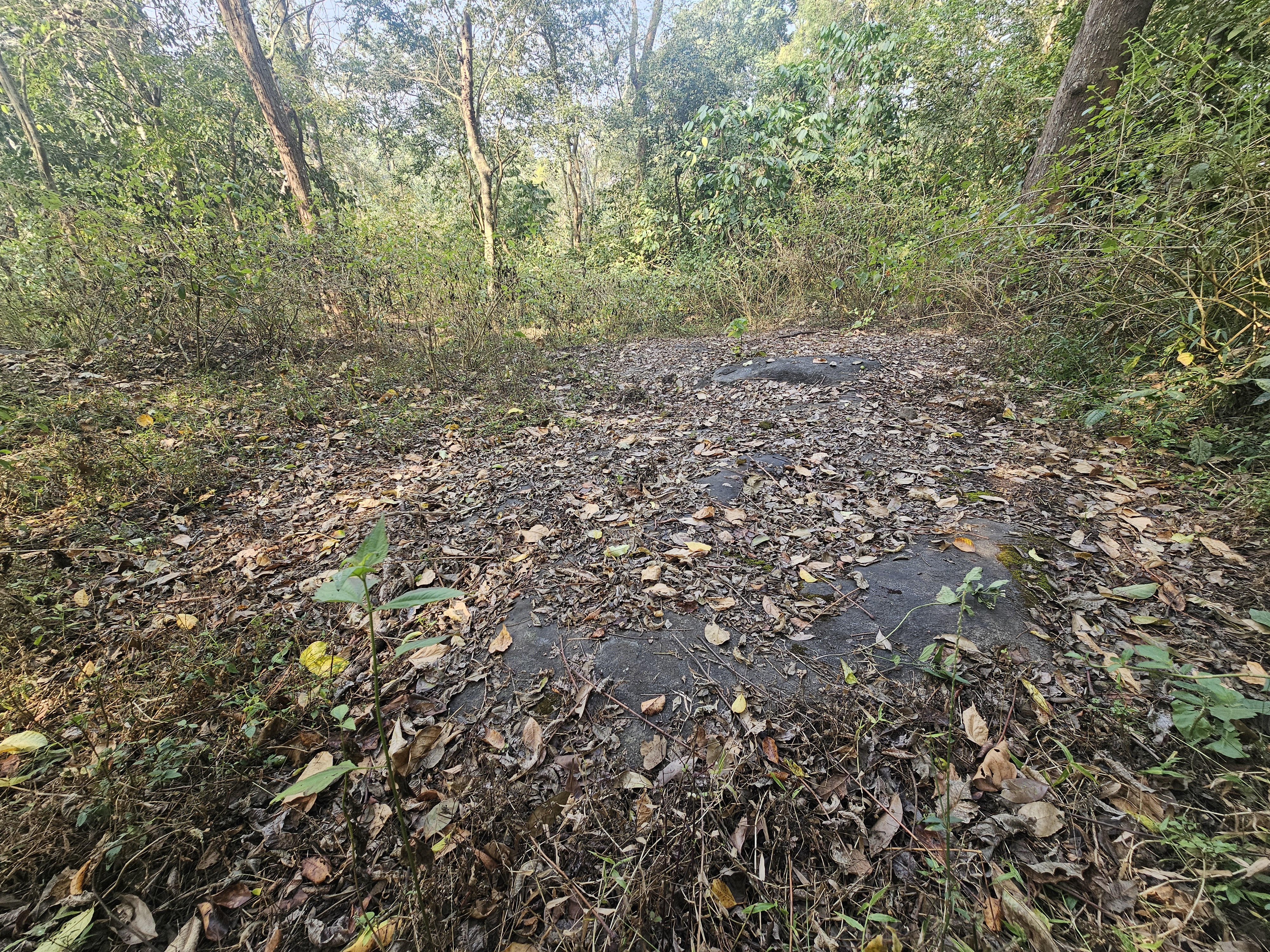
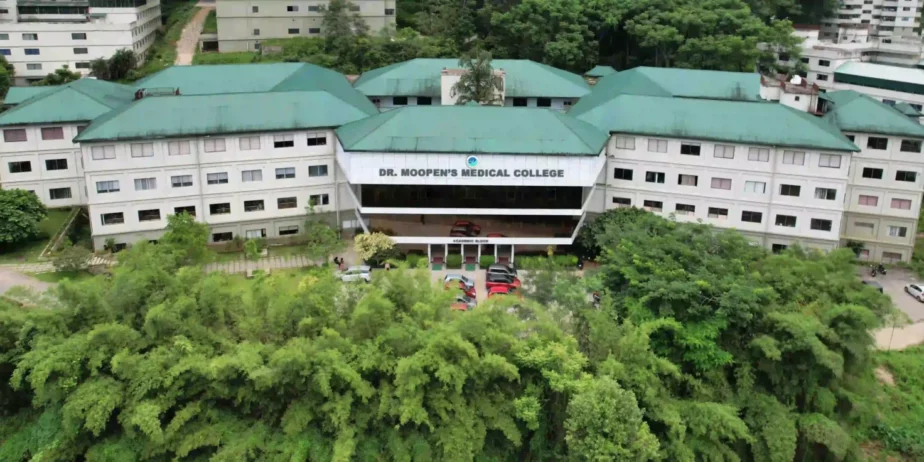
This project involves conducting a Biodiversity Assessment at Dr. Moopen’s Medical College Campus, Wayanad, incorporating standard biodiversity indices to assess species diversity, ecological status, and baseline biodiversity conditions, thereby supporting informed environmental planning and management within the campus.
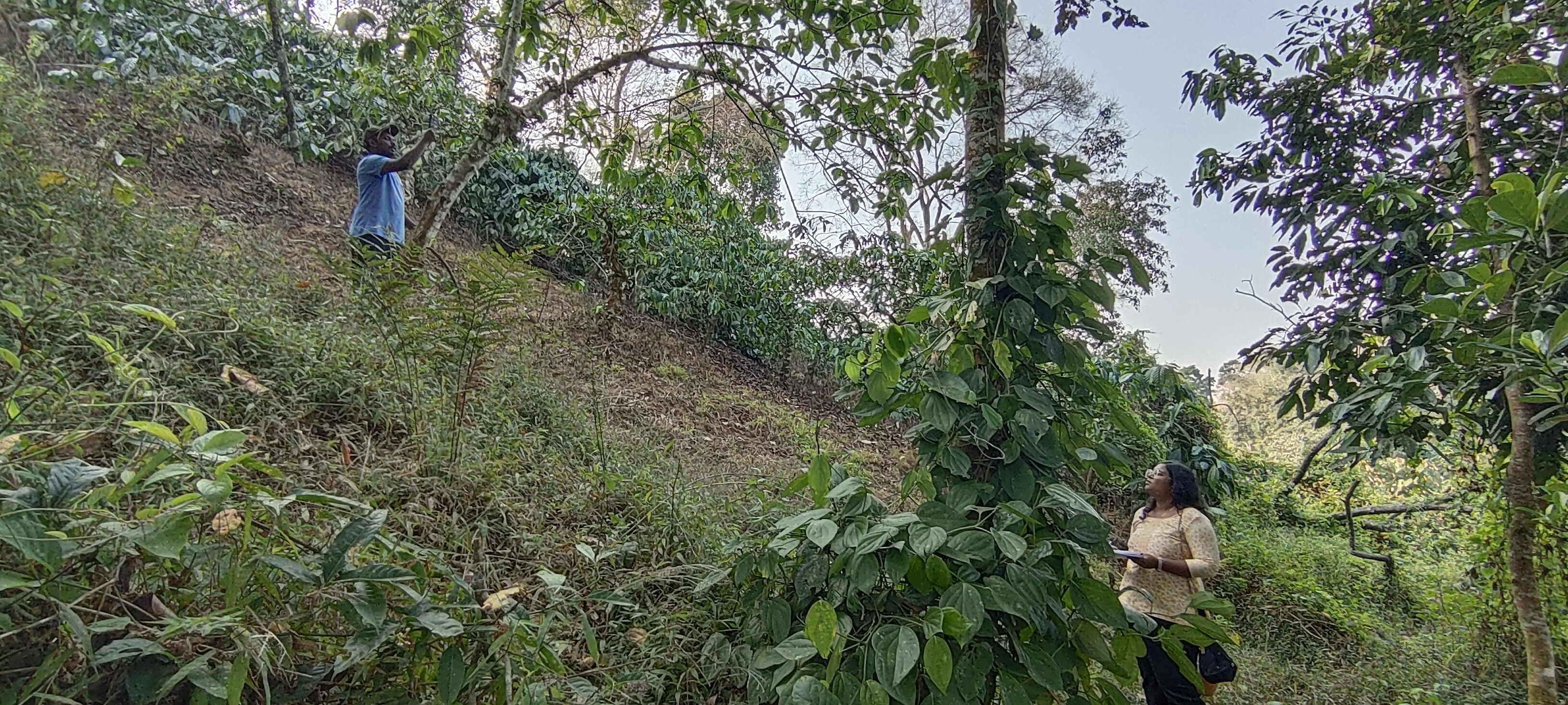
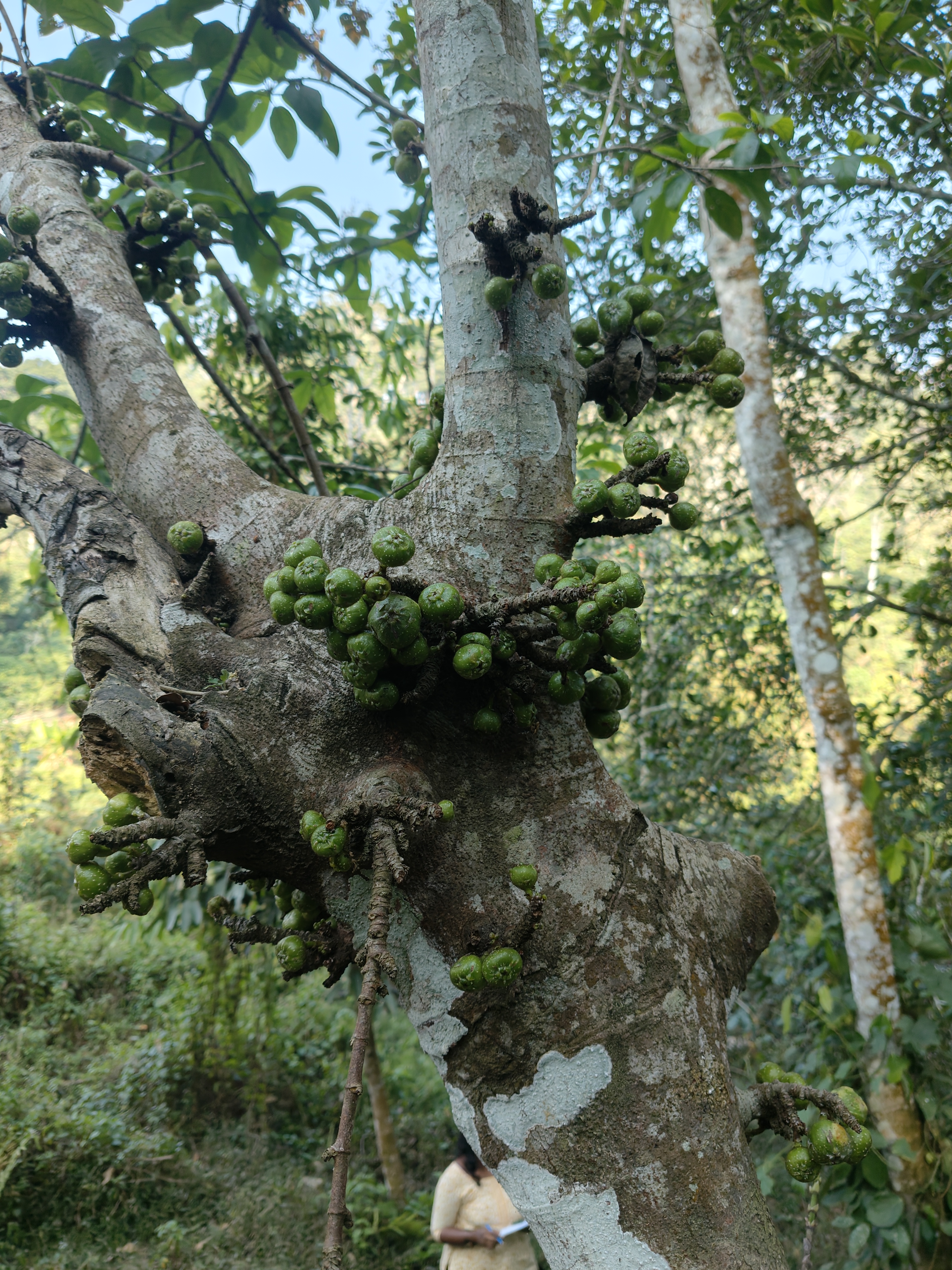
This project involves comprehensive environmental studies to support the Environmental Clearance (EC) process for a mining project at Udayagiri Village, Kannur, in line with applicable regulatory requirements. The scope includes baseline environmental data collection, biodiversity assessment, carbon stock quantification, and the formulation of mitigation and compensatory measures, including afforestation and environmental management plans, to facilitate informed decision-making and regulatory compliance.
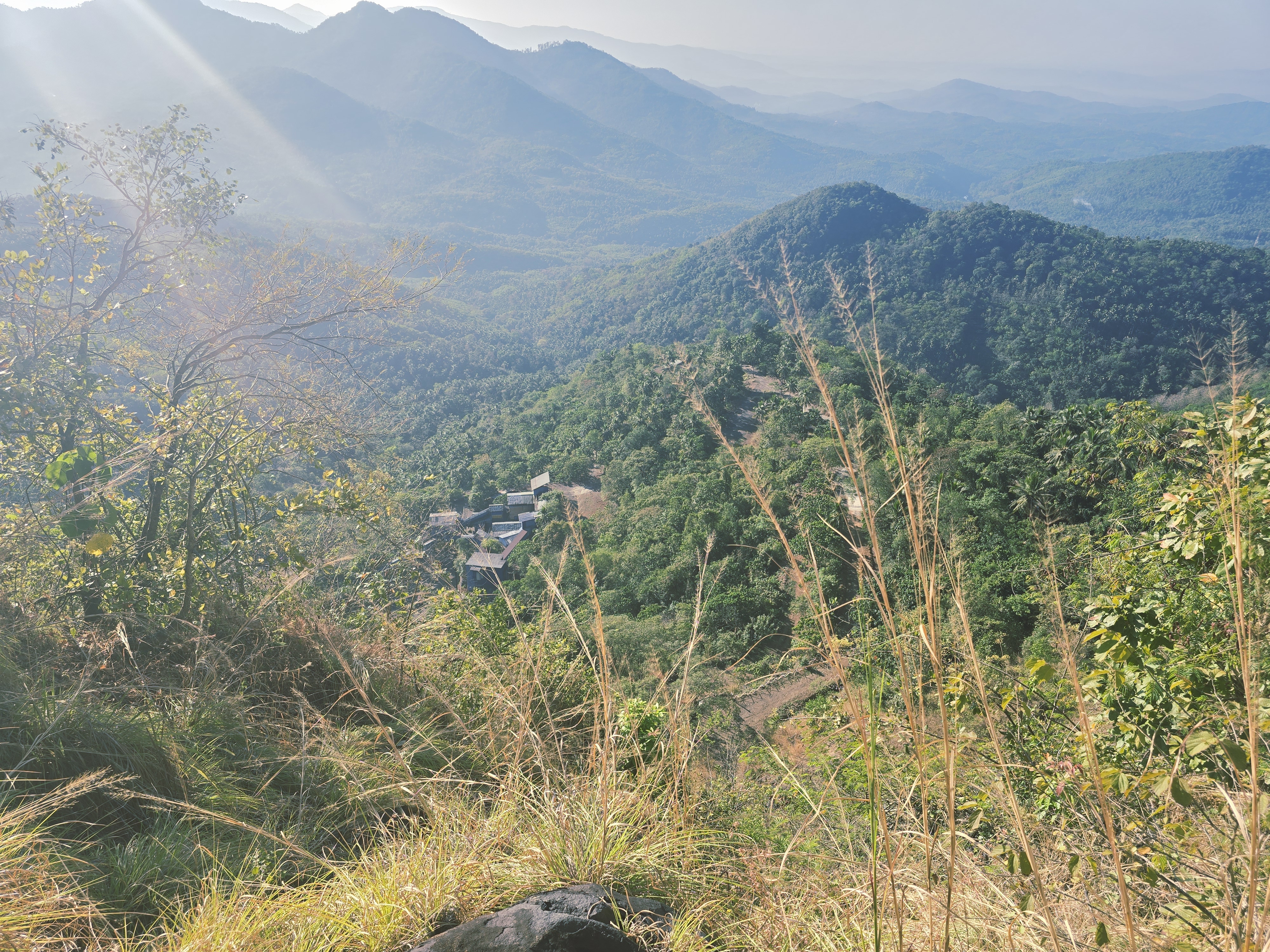
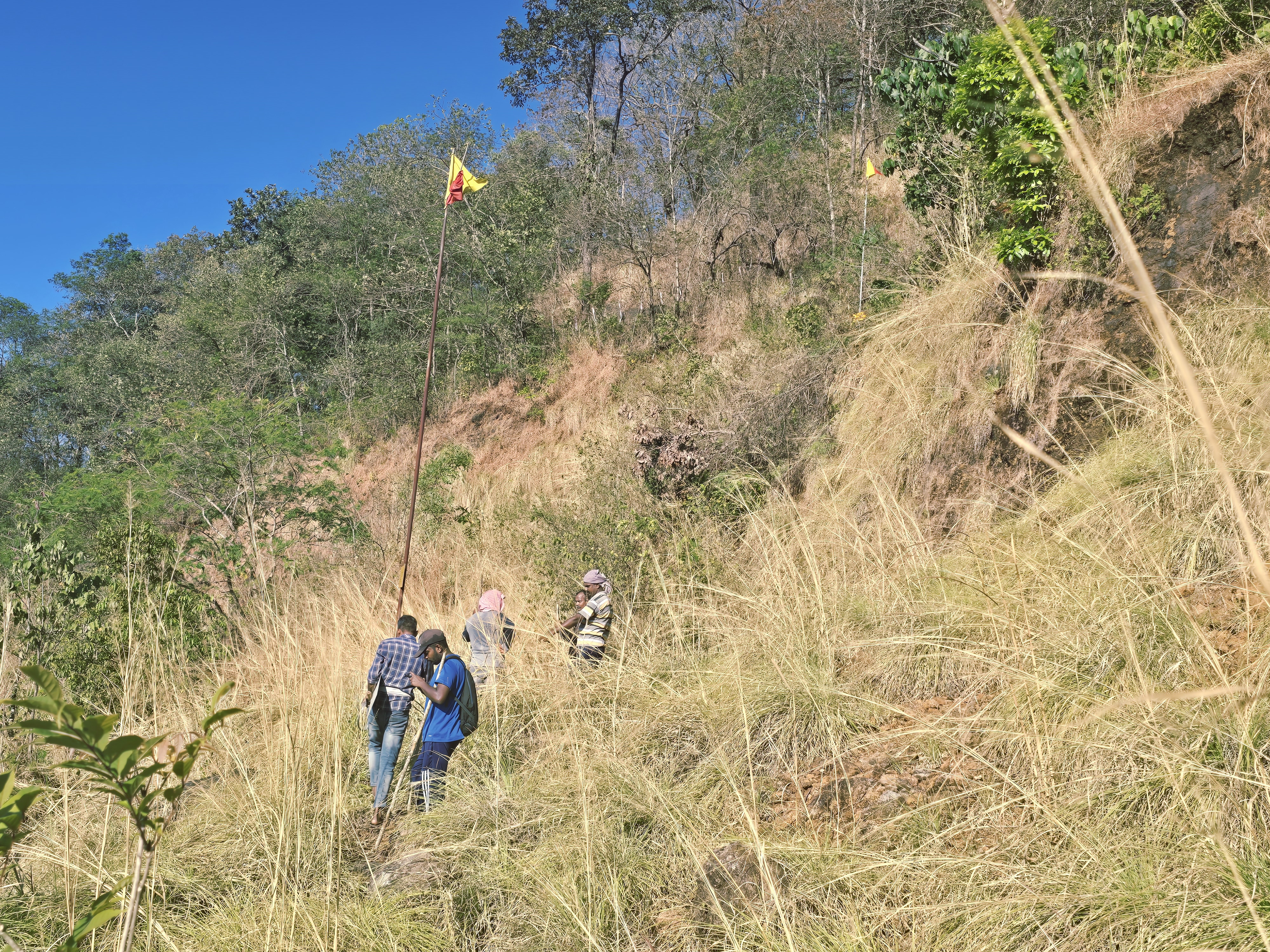
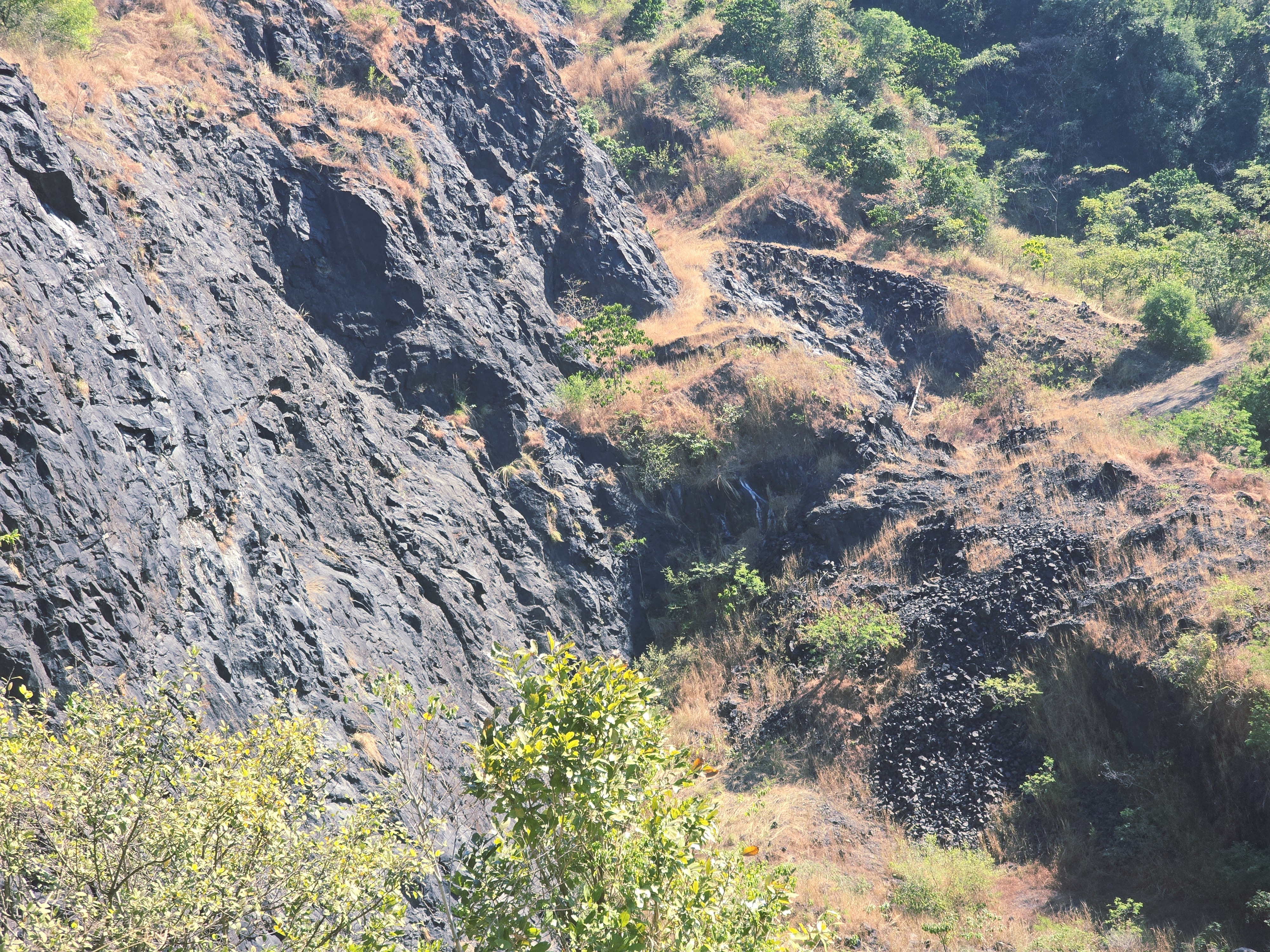
This project involves the preparation of Environmental Impact Assessment (EIA) and Environmental Management Plan (EMP) for mining projects in Perinthalmanna, Malappuram, focusing on the baseline data collection, impact evaluation, impact mitigation, environmental monitoring, and regulatory compliance for obtaining the environmental clearance (EC) for mining operations.
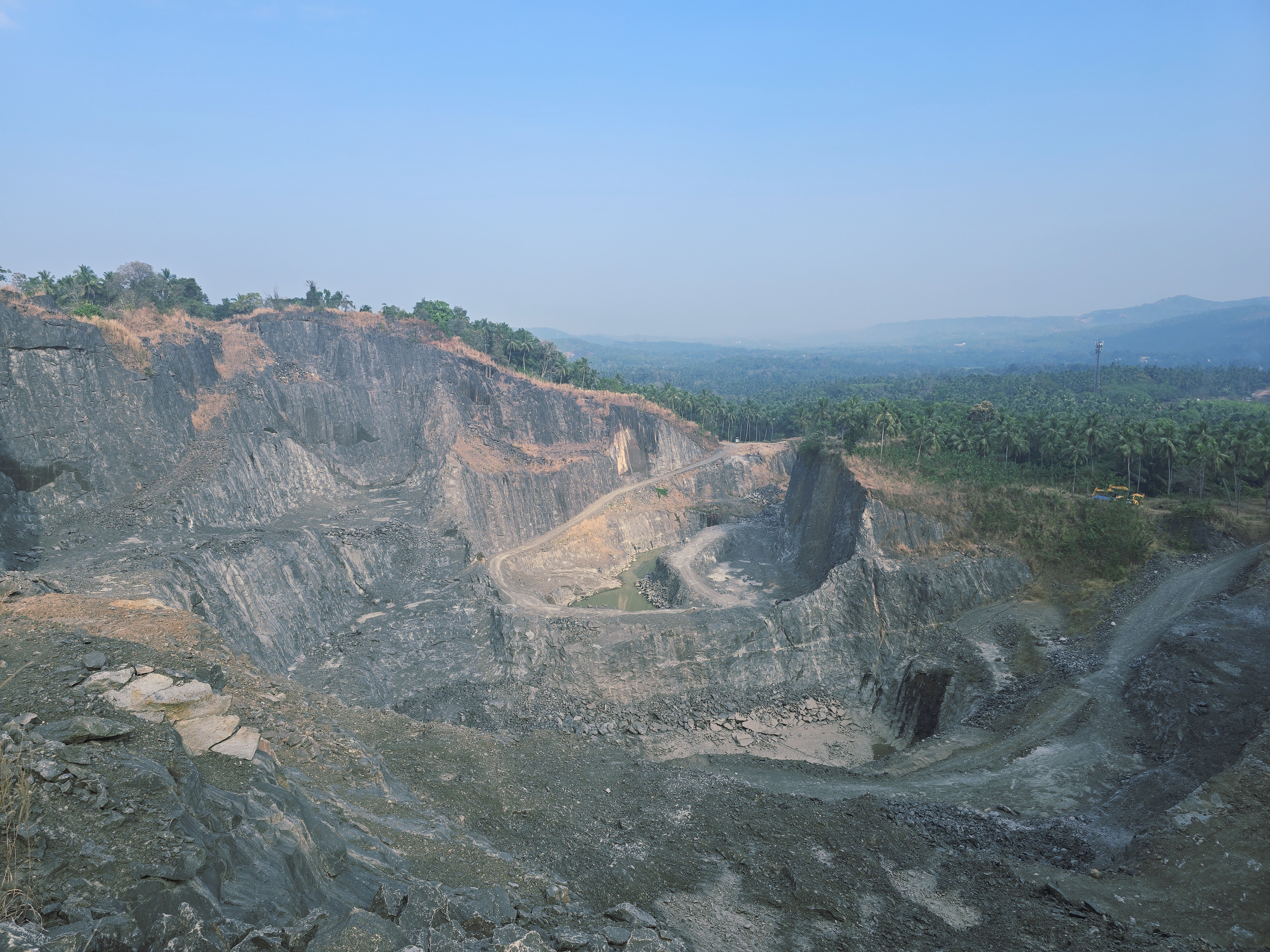
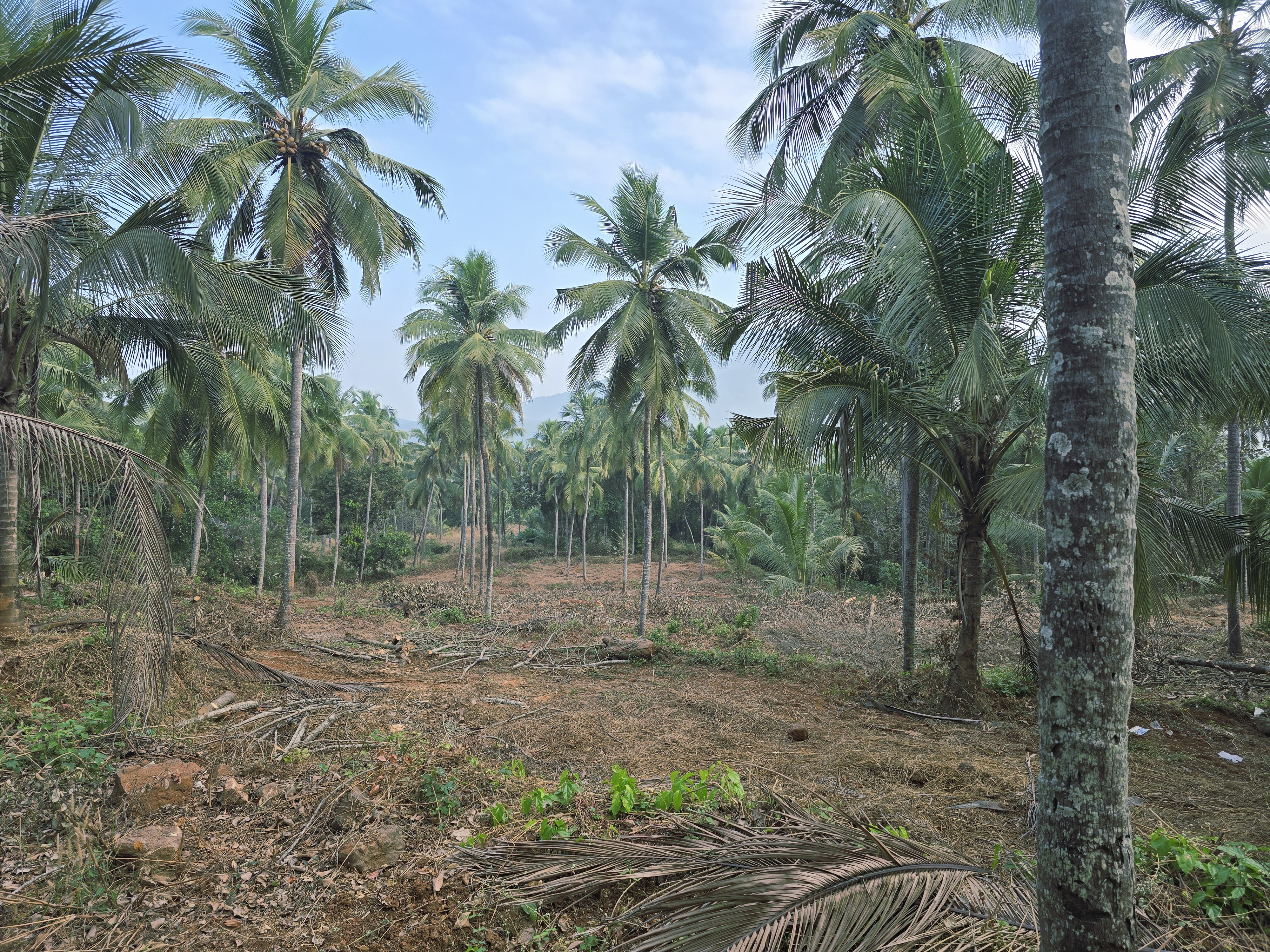
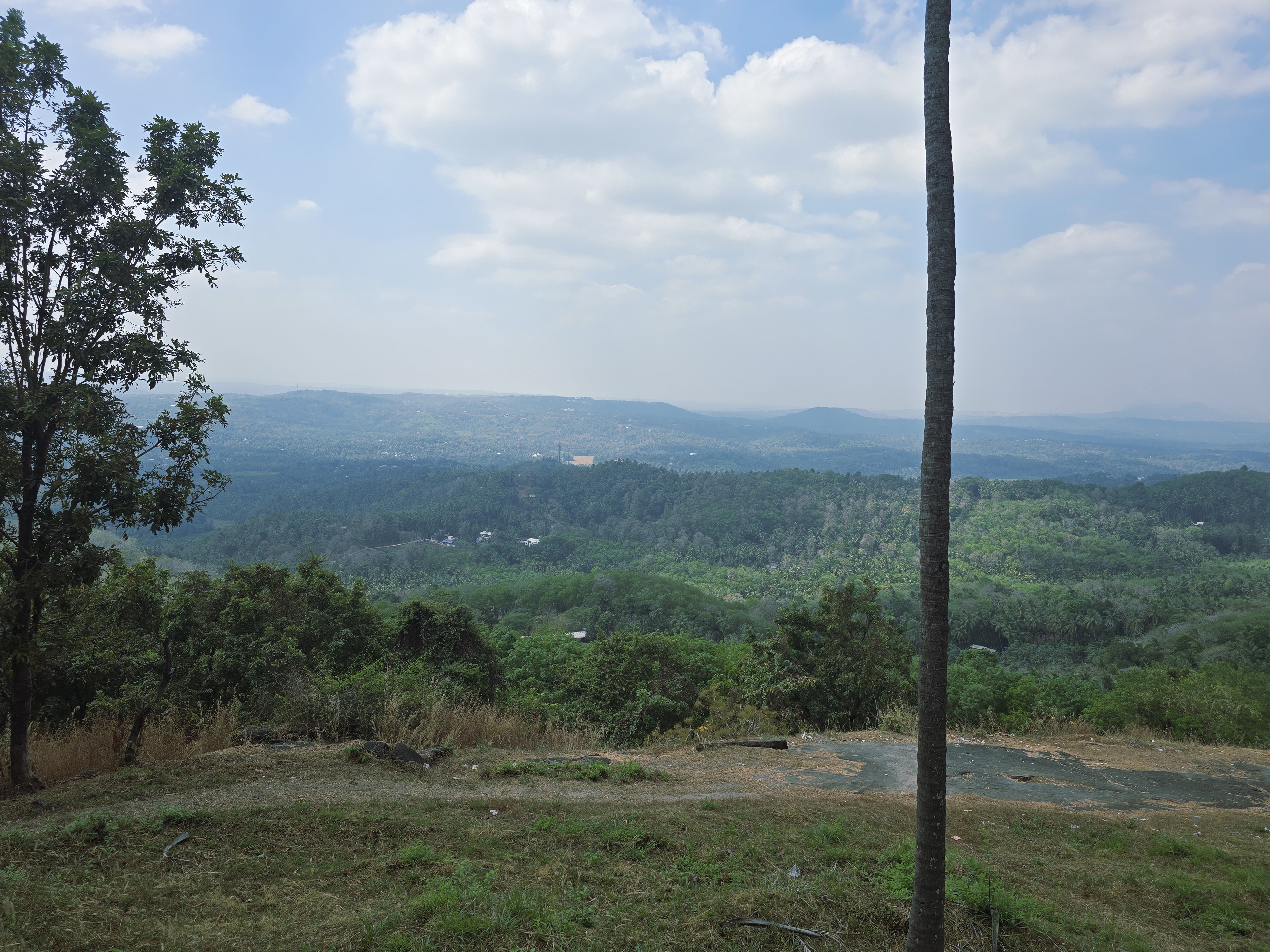
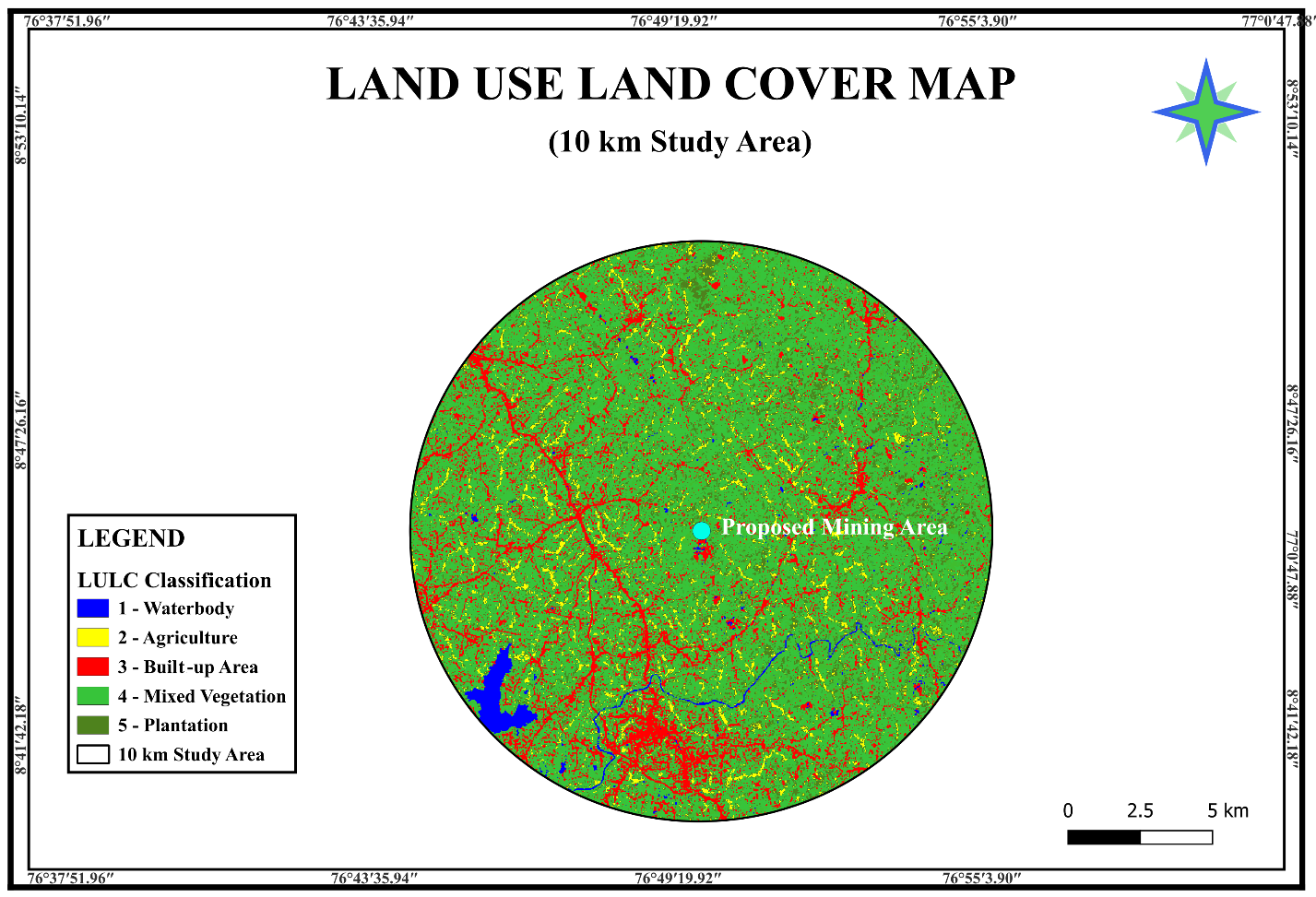
This project focuses on baseline data collection, assessment of floral and faunal diversity, habitat evaluation and formulation of site-specific mitigation and compensatory afforestation measures for the proposed Granite Building Stone Quarry Project and its 10 km buffer areas at Nedumangadu Taluk, Thiruvananthapuram District, Kerala, to support environmental clearance from the regulatory authorities.
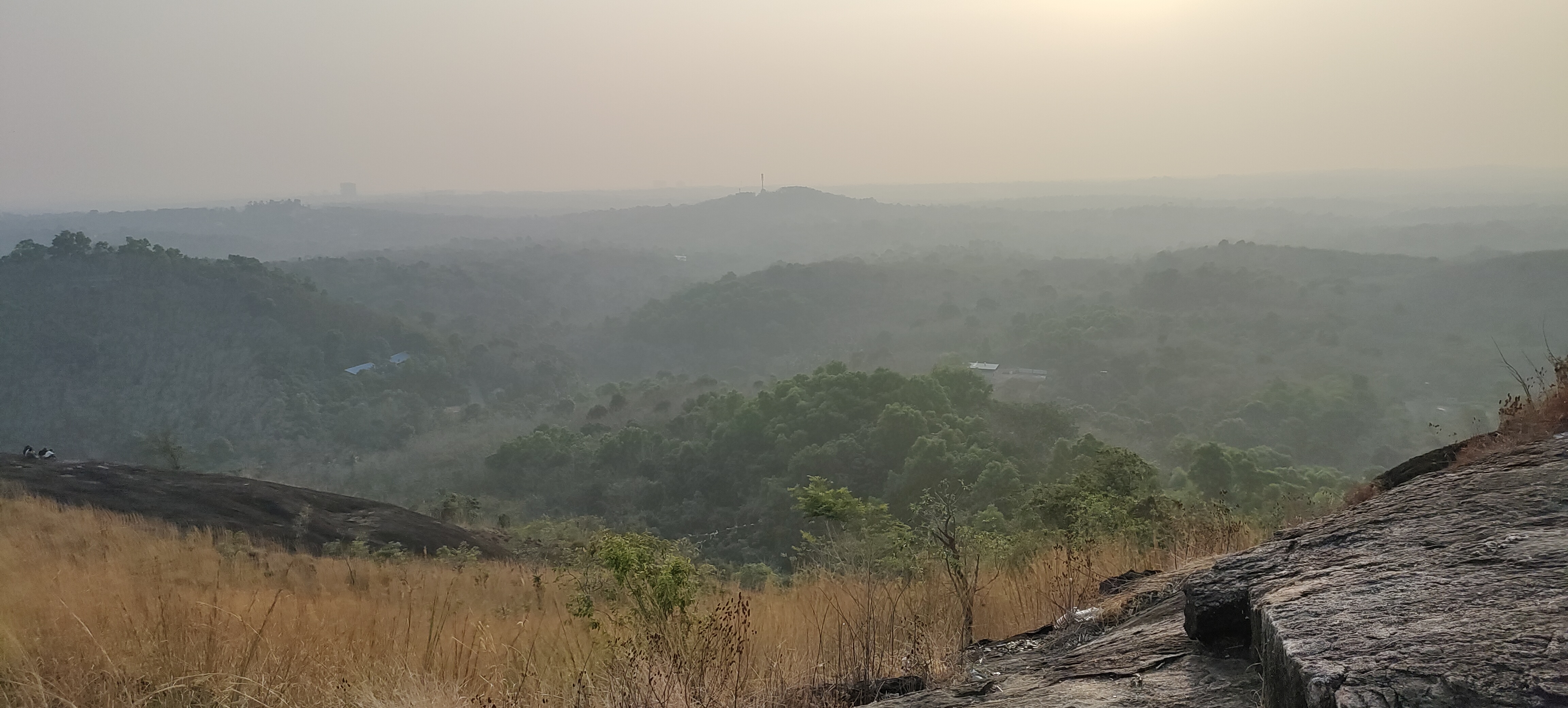
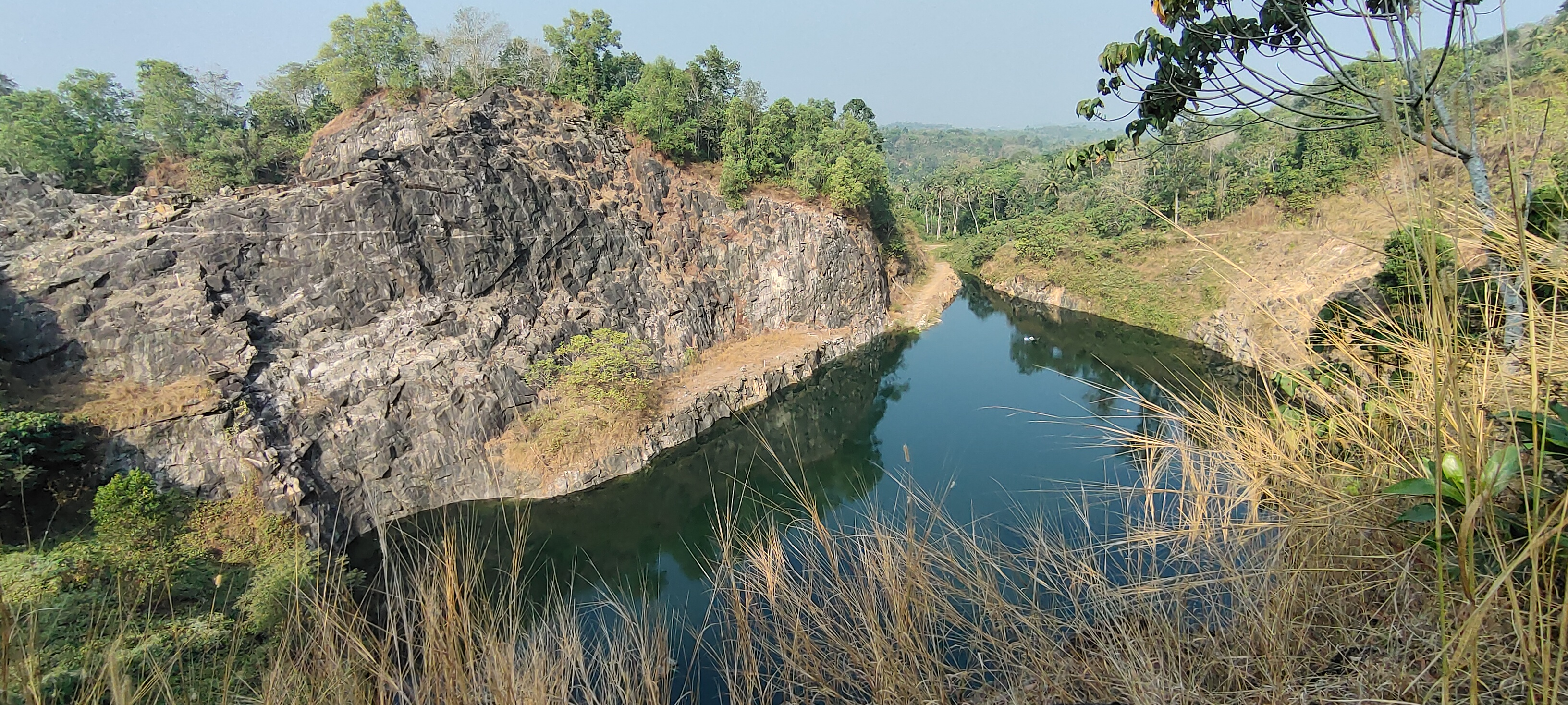
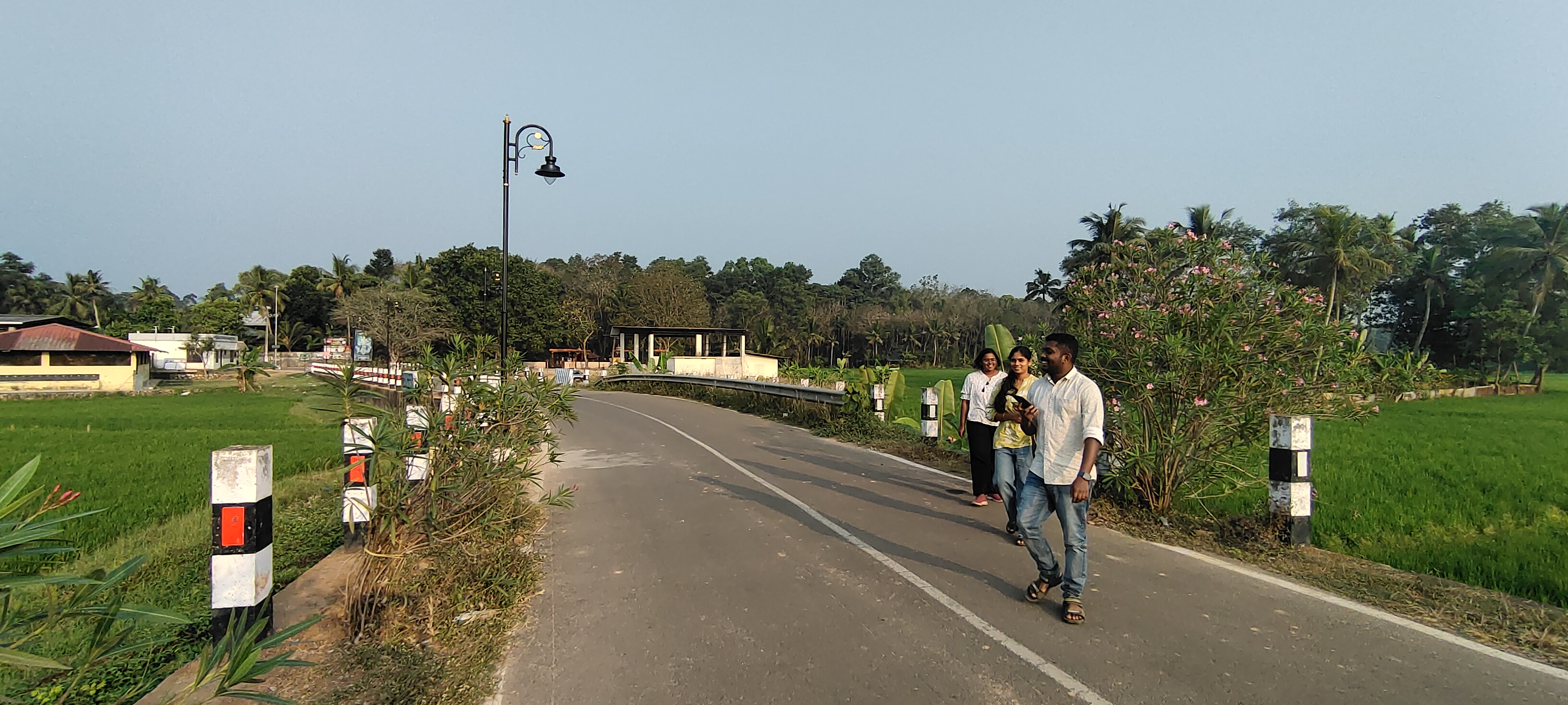
This project involved environmental and biodiversity assessment for a proposed granite quarry site located in Kodikulam, Thodupuzha Taluk of Idukki District, Kerala. Based on the field observations and analysis, site-specific mitigation, conservation, and monitoring measures were recommended to minimize potential environmental impacts associated with quarrying activities and to support sustainable land-use planning.
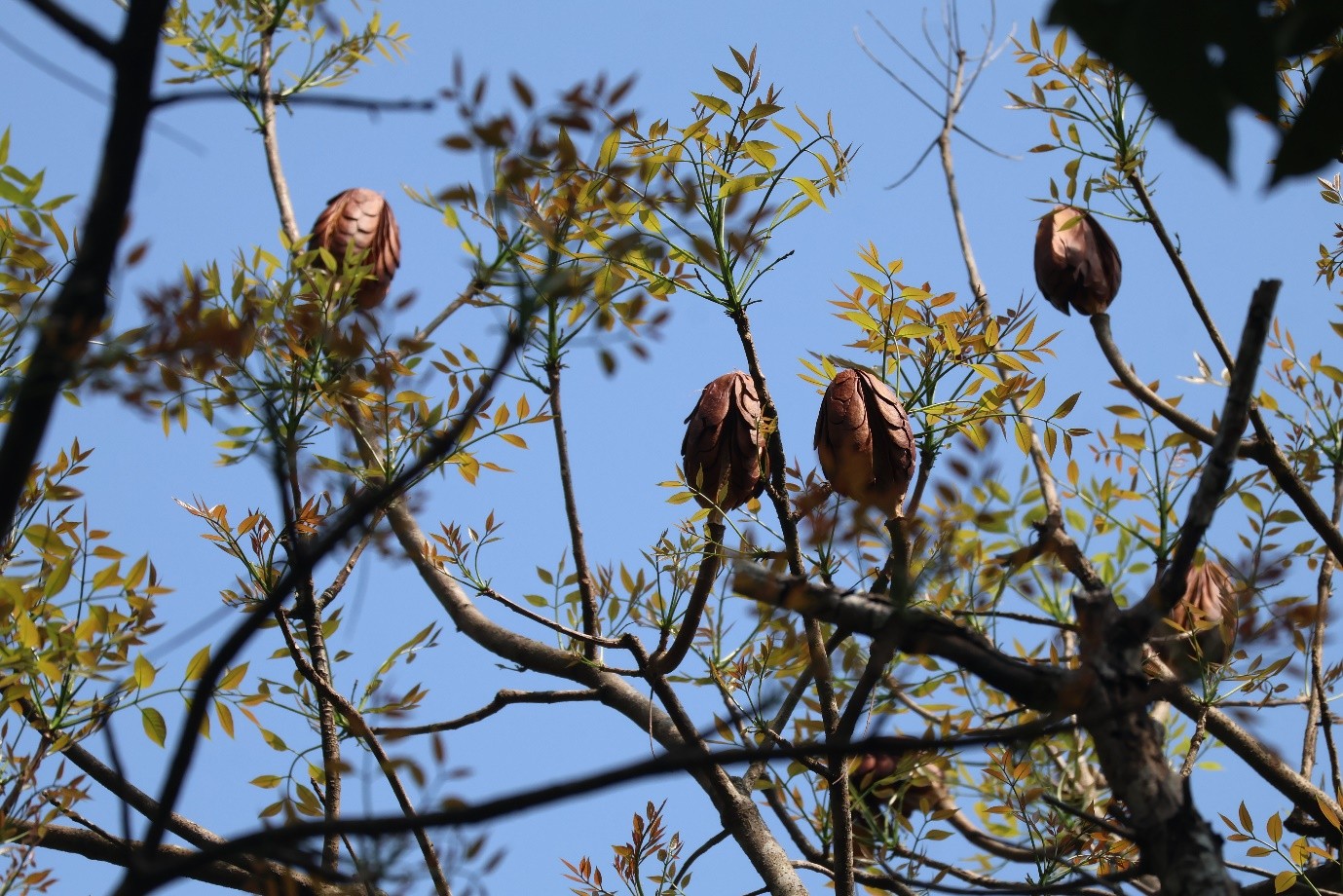
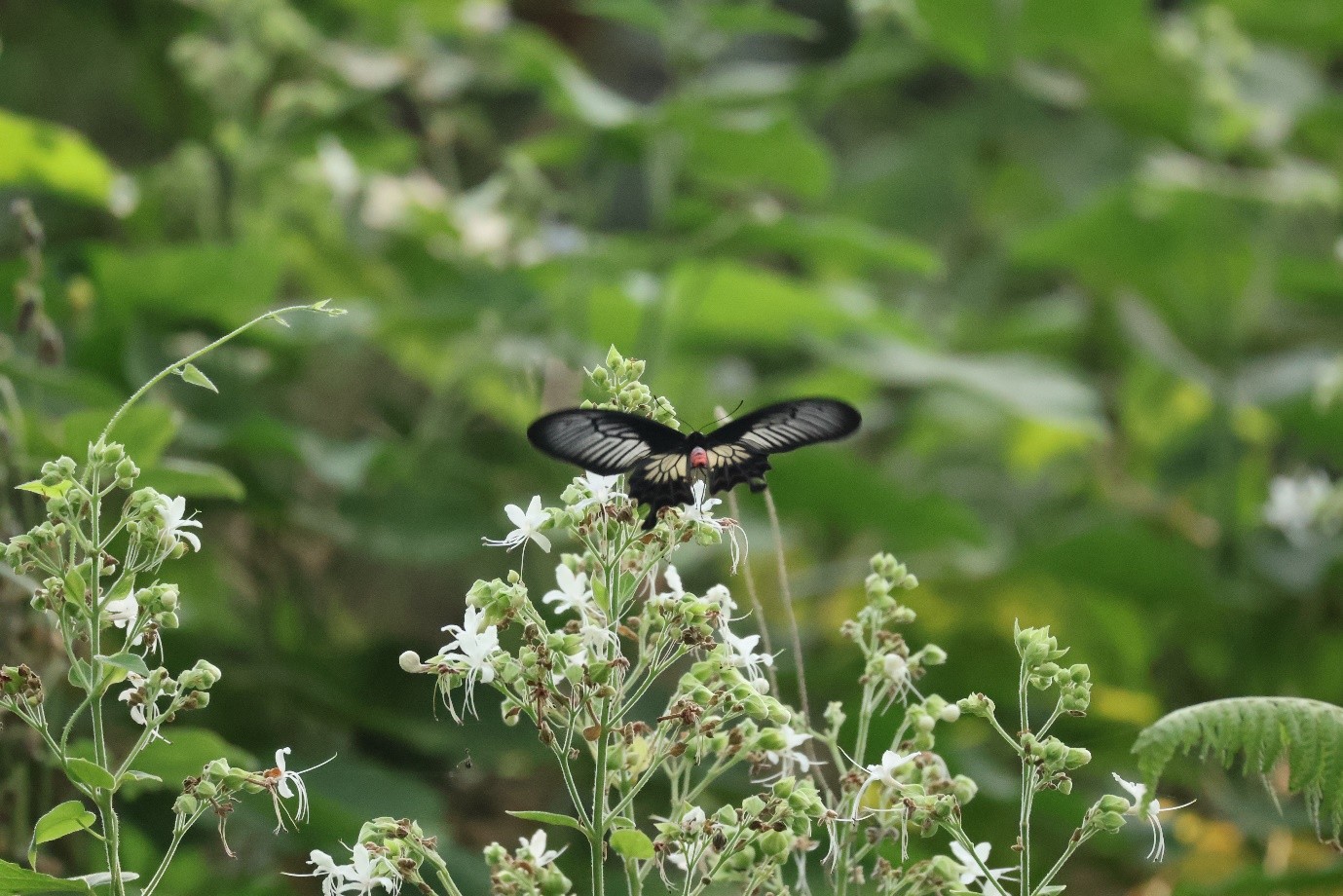
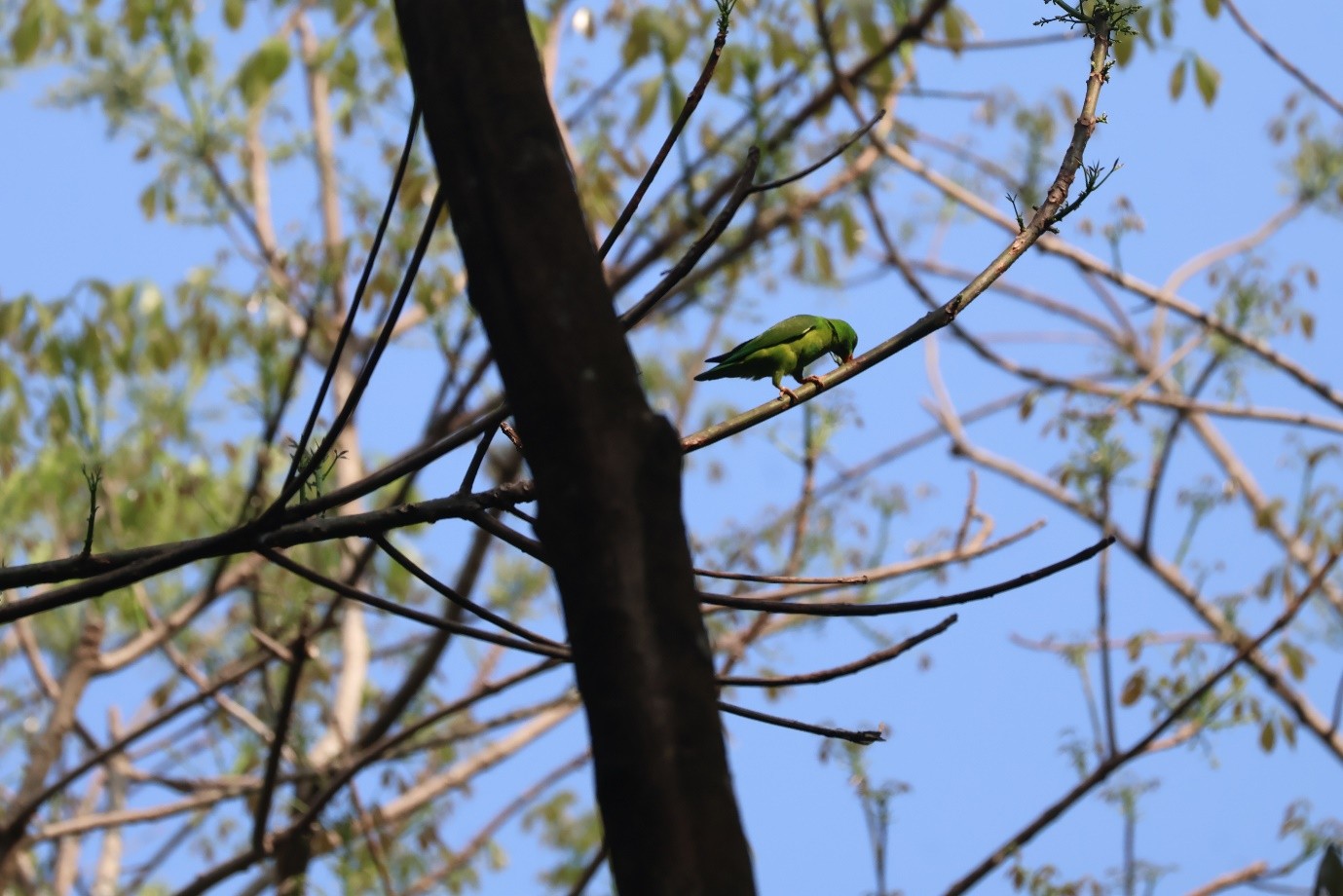
EIA was carried out for a proposed Granite Building Stone Quarry Project at Nagaroor, Thiruvananthapuram to evaluate the potential environmental impacts associated with quarrying activities and to obtain Environmental Clearance. The study assessed baseline environmental conditions, anticipated impacts on land, air, water, and biodiversity, and recommended mitigation measures to ensure environmentally sustainable quarry operations.
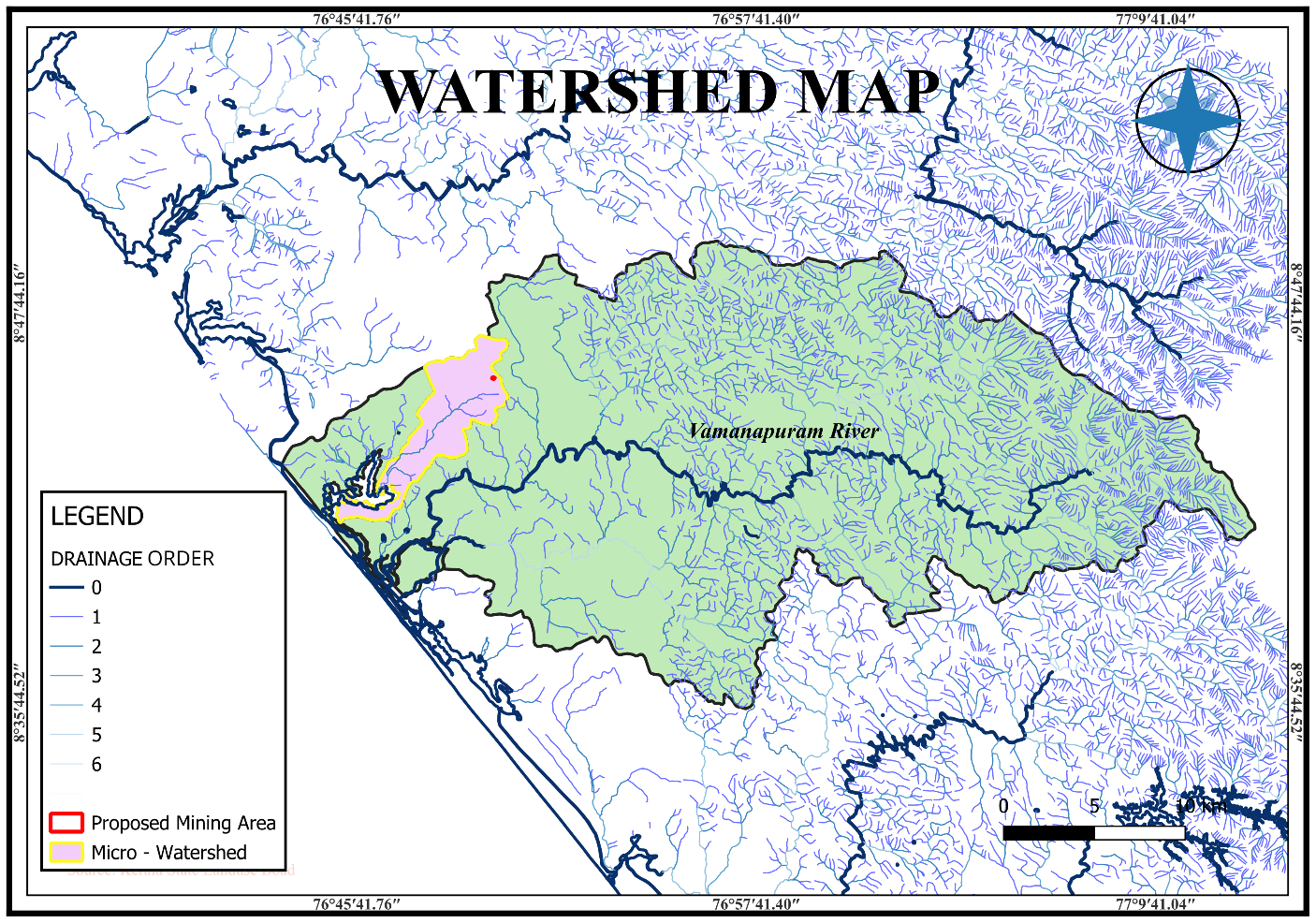
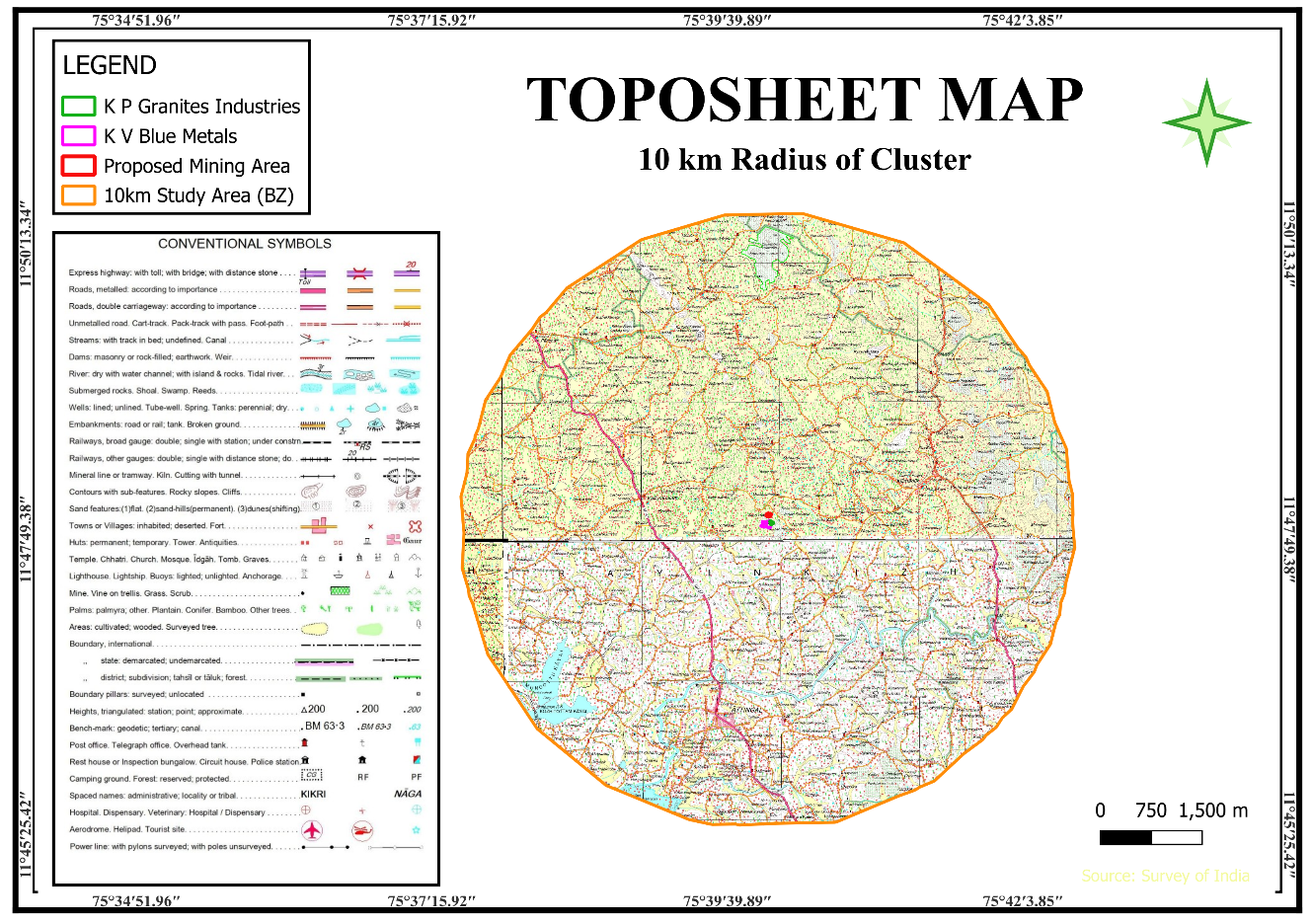
This project involved a Rapid Biodiversity Assessment (RBA) for a proposed granite building stone quarry located at Puthur Village, Thalassery Taluk, Kannur District, Kerala. The study documented floral and faunal diversity within a plantation-influenced landscape through detailed ecological surveys, habitat assessment, biodiversity analysis, and conservation evaluation.