
Noorja S Anand / Earth Sustainability Solution / February 2026
A Sustainable Pathway for People, Nature, and Business
Habitat restoration focuses on repairing and revitalising degraded ecosystems—such as forests, wetlands, rivers, grasslands, and coastal zones—so they can regain their natural structure and ecological functions. Nature-Based Solutions (NbS) build on these restored ecosystems to address urgent environmental challenges including climate change, biodiversity loss, water scarcity, and disaster risk, while also supporting human well-being and sustainable livelihoods.
Unlike approaches that rely only on engineered or grey infrastructure, nature-based solutions work with nature. Healthy ecosystems naturally provide essential services such as carbon sequestration, flood regulation, soil stability, clean water, and climate resilience—services that are increasingly critical as environmental pressures grow across regions and sectors.
Today’s Growing Role and Global Recognition
Habitat restoration and nature-based solutions have rapidly moved from niche environmental initiatives to mainstream global sustainability priorities. Governments, international organisations, financial institutions, and corporations now recognise nature as a critical asset for long-term development and economic stability.
Today, nature-based solutions are:
- Integrated into global climate and biodiversity strategies
- A key component of corporate ESG and net-zero commitments
- Supported by international climate and restoration finance
- Recognised as cost-effective, scalable solutions for climate adaptation
This growing recognition marks a major shift: nature is now viewed as essential infrastructure for the future economy.
Why This Matters for the Future
As climate risks intensify and biodiversity continues to decline, restored ecosystems act as natural safeguards for communities and industries. They reduce the impacts of floods, droughts, heatwaves, and erosion while strengthening food and water security.
Looking ahead, investments in nature will be as critical as investments in energy, transport, and infrastructure. Habitat restoration offers long-term, cost-effective pathways that strengthen resilience while delivering environmental, social, and economic benefits.
The Role of Sustainability-Focused Companies
Sustainability-driven companies have a unique opportunity to become key contributors and enablers of habitat restoration and nature-based solutions. By integrating nature into corporate strategies, businesses can move beyond compliance and create measurable environmental and social value.
Companies can contribute through:
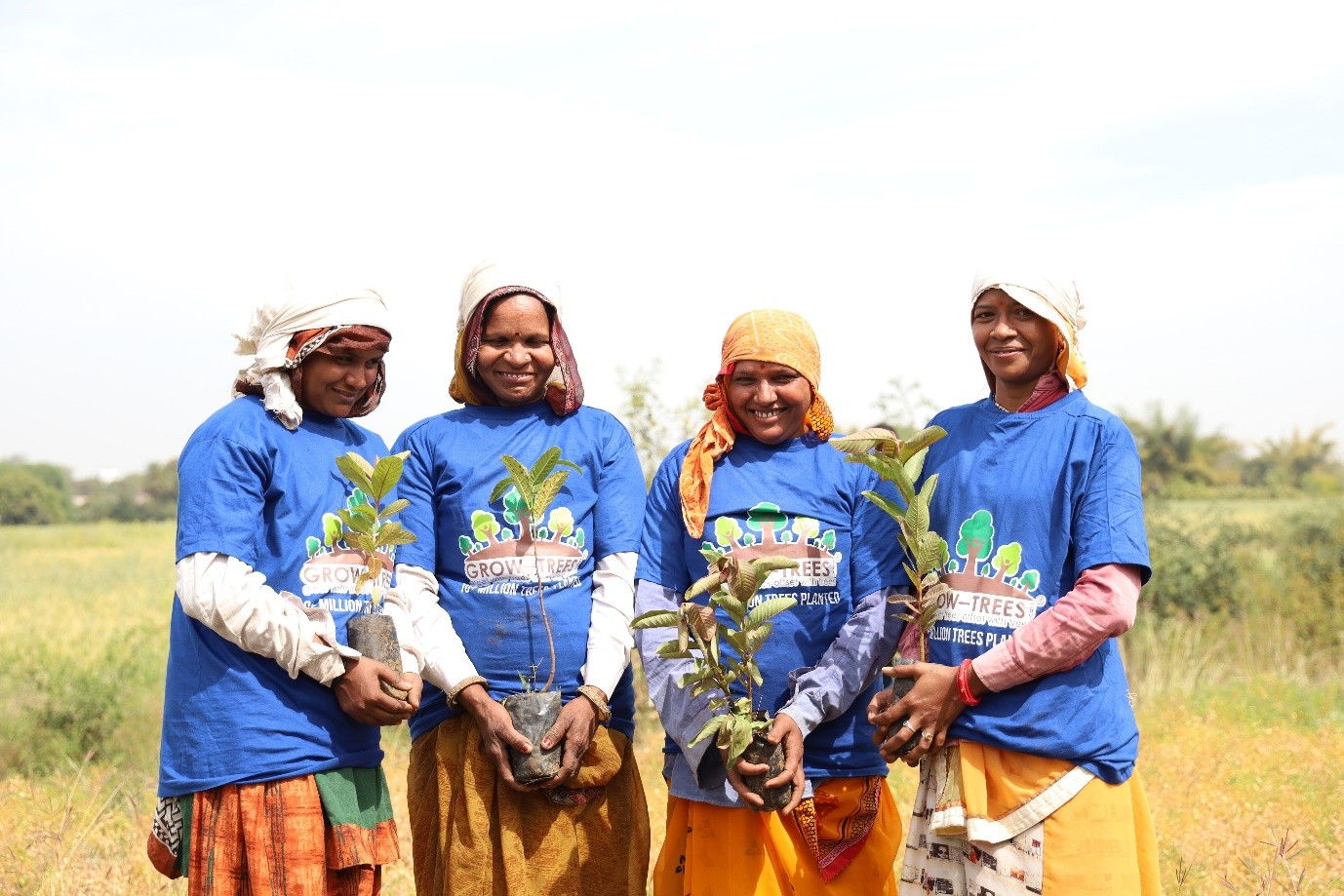
- CSR and ESG investments in afforestation, wetland revival, mangrove restoration, and biodiversity conservation
- Climate and carbon strategies that leverage nature for mitigation and adaptation
- Responsible supply chains that promote landscape restoration, soil conservation, and water stewardship
- Partnerships and collaboration with environmental organisations, research institutions, and local communities
- Monitoring and impact measurement to ensure transparency and long-term outcomes
Long-Term Value for Business and Society
Investing in nature delivers multiple co-benefits:
- Reduced climate and operational risks
- Enhanced corporate reputation and stakeholder trust
- Compliance with emerging sustainability regulations
- Contribution to global climate and biodiversity goals
- Stronger community relationships and shared value creation
By investing in nature today, companies help secure a stable ecological foundation for future generations and future markets.
Sustainability in Action
Through our commitment to restoring nature and strengthening futures, we actively promote collaboration between sustainability-focused companies, communities, and environmental experts. Together, we support initiatives that restore degraded ecosystems, strengthen climate resilience, and create long-term environmental, social, and economic benefits.
“Nature-based solutions are not just environmental interventions-they are investments in a resilient and sustainable future for people, nature, and business.”